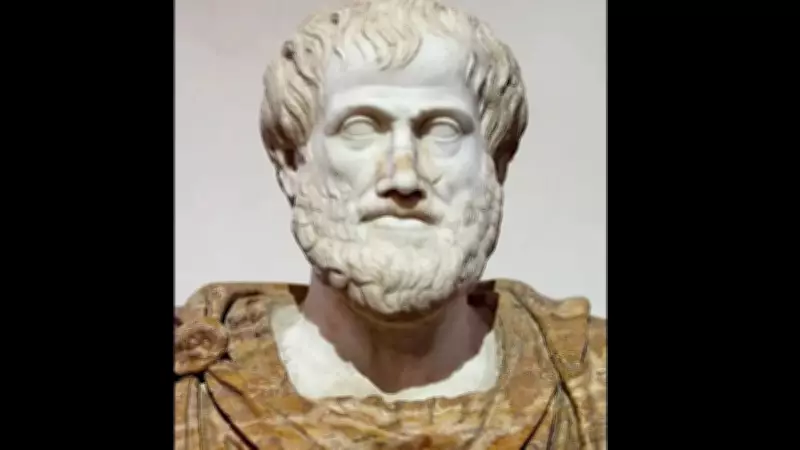
Aristotle famously said, "Educating the mind without educating the heart is no education at all." This profound statement challenges the conventional focus on academic achievement and intellectual prowess, advocating for a holistic approach that integrates emotional and ethical development.
The Meaning Behind Aristotle's Words
At its core, the quote distinguishes between two essential aspects of education: the mind and the heart. The mind represents logic, reasoning, memory, and analytical skills—subjects like mathematics, science, and philosophy. The heart symbolizes compassion, morality, empathy, kindness, integrity, and self-awareness. Aristotle believed that a person with knowledge but lacking humanity might misuse intelligence, leading to societal harm rather than benefit.
True education, according to Aristotle, should produce individuals who are not only intellectually capable but also emotionally mature and ethically grounded. This balance is crucial for building a just and harmonious society.

Relevance in Modern Education
Today's education systems often prioritize grades, test scores, and career success, sometimes neglecting emotional well-being. However, there is a growing recognition of the importance of emotional intelligence (EQ). Psychologists and educators argue that EQ—understanding and managing emotions, empathizing with others, and communicating effectively—is a key life skill.
Aristotle's quote resonates strongly in discussions about anxiety, burnout, and loneliness among students and professionals. It serves as a reminder that academic excellence alone does not guarantee happiness or success; emotional health and ethical values are equally vital.
Emotional Intelligence and Aristotle's Philosophy
Modern psychology's concept of emotional intelligence mirrors Aristotle's ancient wisdom. He emphasized that education should cultivate both intellect and character. Research shows that EQ is critical for leadership, teamwork, parenting, and mental health. Employers increasingly seek candidates with strong communication, empathy, and adaptability—qualities Aristotle championed centuries ago.
Schools Embracing Emotional Learning
Many educational institutions now incorporate programs on emotional well-being, mental health, and social skills. Mindfulness practices, counseling, and life-skills education are becoming common. These initiatives aim to create emotionally safe environments where students can thrive academically and personally.
Aristotle's quote is frequently cited in these contexts because it encapsulates the goal of integrating heart and mind in education.
The Role of Empathy
Empathy is a central component of "educating the heart." It enables individuals to understand others' feelings and experiences, fostering stronger relationships and healthier societies. History shows that knowledge without empathy can be dangerous; educated individuals have sometimes caused great harm when lacking compassion.
Aristotle's philosophy suggests that education should encourage responsibility toward others, not just personal success. Empathy is also crucial for effective leadership, as leaders who understand emotions communicate better and build stronger communities.
Enduring Popularity of the Quote
Aristotle's words remain popular on social media and in classrooms because they address universal concerns. Students feel pressure to perform, parents worry about emotional health, teachers seek balance, and employers desire emotionally mature professionals. The quote's simplicity and depth make it memorable across cultures and generations.
Education as Character Formation
Aristotle viewed education as preparation for life, not just a job. He believed that character is formed through repeated habits: people become compassionate by doing compassionate deeds, honest by acting honestly, and disciplined by practicing discipline. This aligns with modern values education, which promotes cooperation, honesty, and respect alongside academics.

Technology and Emotional Balance
In an age of information abundance and digital learning, emotional development remains challenging to replicate through technology. Human connection, empathy, and mentorship still require face-to-face interaction. As concerns about loneliness and social isolation grow, Aristotle's reminder that education should focus on the whole person is more pertinent than ever.
Why Aristotle's Message Endures
The quote's power lies in its balance: it does not reject intellectual growth but argues that knowledge without humanity is incomplete. It addresses the common imbalance where achievement is celebrated over kindness and ethical responsibility. Human nature has not changed; people still seek success and understanding, but emotions and morality remain central to quality of life.
Aristotle's words continue to inspire educators, parents, and leaders, reminding us that true education goes beyond information—it shapes both mind and character for a better world.