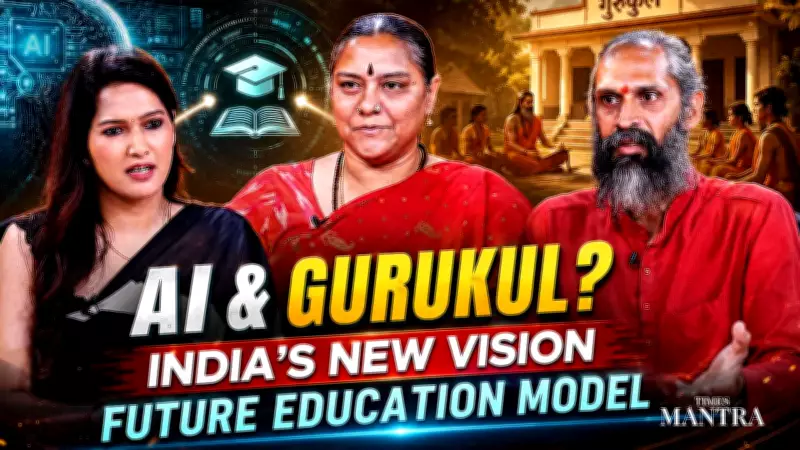
Can ancient Gurukul wisdom and modern artificial intelligence come together to create the future of education in India? In a thought-provoking discussion, Shriman Adinarayanan Maatrushree Dr. Ananthalakshmi and Shantanu explore how traditional learning systems and advanced AI technology could completely transform the way future generations learn.
Why the Current Education System Falls Short
The modern education system often focuses on academic achievement and career readiness, but it frequently fails to nurture emotionally and spiritually balanced individuals. Many students graduate with strong technical skills yet lack emotional intelligence, resilience, and a sense of purpose. This gap has led educators and thought leaders to revisit ancient models of learning.
The Gurukul Model: Timeless Wisdom for Modern Challenges
The Gurukul system, an ancient Indian educational model, emphasized holistic development through close teacher-student relationships, experiential learning, and moral education. Students lived with their guru, learning not only subjects but also life skills, ethics, and spiritual practices. This approach fostered deep understanding, character building, and a connection to nature and society.

Key Principles of Gurukul Education
- Holistic Development: Focus on physical, mental, emotional, and spiritual growth.
- Personalized Learning: Tailored teaching based on each student's aptitude and interests.
- Experiential Learning: Learning through direct experience, observation, and practice.
- Teacher as Mentor: The guru served as a guide, role model, and source of wisdom.
Artificial Intelligence: Enhancing the Learning Experience
Artificial intelligence offers powerful tools to personalize education, provide instant feedback, and adapt to individual learning styles. AI can analyze student performance, identify strengths and weaknesses, and suggest customized learning paths. It can also automate administrative tasks, freeing teachers to focus on mentoring and inspiration.
Potential Applications of AI in Education
- Adaptive Learning Platforms: AI-driven systems that adjust content difficulty and pace in real time.
- Intelligent Tutoring: Virtual assistants that provide personalized guidance and answer questions.
- Data-Driven Insights: Analytics to track progress and predict learning outcomes.
- Content Creation: AI-generated educational materials tailored to curriculum needs.
Bridging Ancient Wisdom and Modern Technology
The convergence of Gurukul principles and AI could create a balanced education system that values both knowledge and wisdom. While AI handles data-driven tasks, teachers can focus on nurturing emotional intelligence, critical thinking, and ethical values. This hybrid model respects tradition while embracing innovation.
The Changing Role of Teachers
In a digital world, teachers are no longer just transmitters of information. They become facilitators, mentors, and guides who help students navigate vast amounts of information and develop inner strength. AI can support them by providing real-time insights into student needs and automating repetitive tasks.
Challenges and Opportunities
Implementing such a model requires careful planning, investment in infrastructure, and training for educators. There are concerns about data privacy, screen time, and the digital divide. However, the potential benefits—creating well-rounded individuals who are both technically proficient and emotionally grounded—are immense.
This conversation, featured on Times Mantra, explores AI in education, Gurukul philosophy, India’s future education model, holistic learning, spiritual intelligence, and the changing role of teachers. Watch till the end for eye-opening insights.