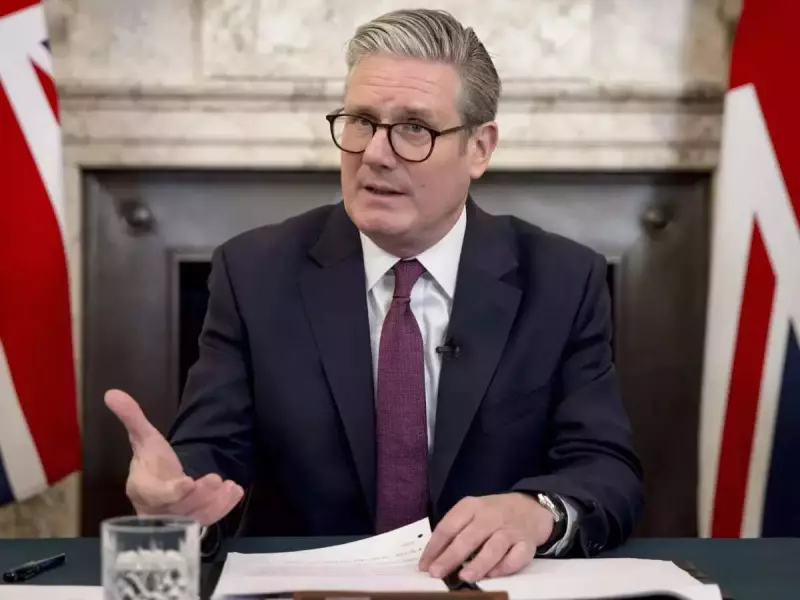
A deeply concerning and realistic-looking AI-generated video featuring UK Prime Minister Keir Starmer has been circulating online, falsely announcing a drastic nationwide curfew. This 61-second clip is just one example of a massive wave of AI-powered political misinformation targeting the British leader.
The Shocking Fake Curfew Announcement
In the viral video, a digitally fabricated version of Prime Minister Keir Starmer appears to make a shocking policy declaration. The AI-generated PM states, "The UK is set to introduce a nationwide curfew, beginning at 11pm each night," and adds, "Under the new rule, no one will be permitted to leave their home after 11pm without official authorisation." The video, which sounds eerily authentic, is a complete fabrication. Starmer's government has never proposed or announced any such policy.
This specific fake video amassed over 430,000 views on TikTok before being taken down. It also inspired similar misleading posts on other major platforms like X (formerly Twitter) and Facebook. The clip was identified as part of a much larger operation tracked by NewsGuard, a company that monitors online misinformation.

Scale of the AI Deepfake Campaign
According to a report by NewsGuard, this curfew video was merely one among a staggering 6,042 similar AI-generated videos identified between May and December. The vast majority of these videos featured Keir Starmer. These fakes were posted by accounts using names designed to mimic legitimate British news outlets, such as "BBB UK News" and "Daily Britain News."
At the time the report was issued, these accounts collectively had more than 1 million followers, giving the misinformation a significant potential reach. Eva Maitland, a senior analyst for Russian influence at NewsGuard, explained the pattern. "It consistently emulates Starmer," she said. "It produces false or baseless claims that look bad for the Starmer government, and they're kind of created to create a strong response from people so that they'll click on it."
Motivation and Impact on Political Discourse
Interestingly, analysts suggest this campaign does not appear to be a coordinated foreign influence operation by adversaries like Russia, nor a direct attack by domestic political rivals. Instead, the primary driver is likely financial. Content producers are creating these provocative, AI-generated deepfakes with the main goal of generating viral engagement and making money through platform monetisation.
The proliferation of these fakes has been supercharged by the widespread availability of easy-to-use AI video generation tools like OpenAI's Sora. This has led to a dramatic increase in the volume of convincing fake videos on TikTok and other social media platforms globally.
This wave of misinformation arrives at a particularly challenging time for Prime Minister Starmer, who is already grappling with very low polling numbers. Other fake videos in the campaign have shown the AI Starmer announcing other alarming but false policies. One claimed new driver's licence laws would strip many Britons of their legal right to drive. Another falsely declared that new rules would allow authorities to access any citizen's phone and private data.
Following the publication of NewsGuard's report on December 9, many of these videos were still live on TikTok. However, by December 19, most had been removed by the platform. TikTok, which is Chinese-owned, officially prohibits content that involves "fake authoritative sources or crisis events, or falsely shows public figures in certain contexts."
The incident highlights a growing global threat to democratic processes. As noted by experts, the use of AI in politics is increasing at a rapid pace. "We know it's internationally pervasive now," one analyst stated. "Four of every five elections around the world now have AI-generated political junk that is unattributed and clearly misleading." This case serves as a stark warning about the potential for AI-generated deepfakes to distort public perception and undermine trust in political institutions.