Zomato Delivery Agent's Viral Act Sparks National Debate on Worker Pressures
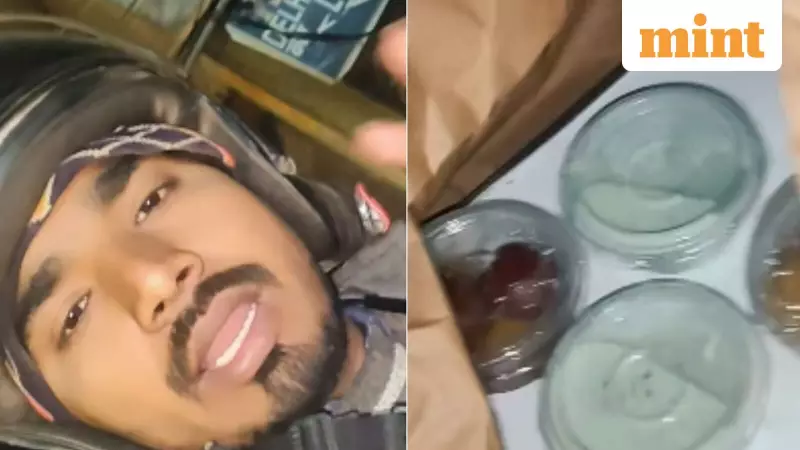
A video featuring a Zomato delivery agent has taken social media by storm. The clip shows the agent, identified as Ankur Thakur, eating a customer's order after a heated disagreement over delivery protocols. This incident has triggered a widespread conversation about the intense pressures and high expectations faced by app-based delivery workers across India.
The Dispute That Led to the Viral Moment
In the now-viral footage, the delivery agent provides his side of the story. He explains that he requested the customer to come downstairs to collect the food order. This simple request reportedly escalated into a full-blown argument. The customer firmly insisted that the delivery must be made directly to their doorstep upstairs. Alternatively, the customer demanded the order be cancelled entirely.
The delivery did not proceed as planned. With the transaction falling through, the agent made a decision that would capture national attention. He is seen opening and consuming the food himself. This moment was recorded and quickly spread like wildfire across various social media platforms, drawing millions of eyes and sparking intense debate.

Social Media Erupts with Divided Opinions
The viral video has amassed over 1.2 million views on Instagram alone. Online reactions are sharply divided, reflecting a deep societal split on the issue.
Some users strongly defend the customer's position. They argue that doorstep delivery is a fundamental part of the service people pay for. One user pointed out that customers pay delivery charges, night surcharges, and convenience fees. Therefore, they should not be expected to leave their homes to collect orders. Another comment stated plainly that "door-to-door service" means exactly that—the agent must reach the customer's doorstep.
Other users express sympathy for delivery workers. They question whether such strict expectations ignore the practical realities and genuine risks faced by these individuals daily. Some accused delivery agents of intentionally cancelling orders to keep the food for themselves. However, a more balanced perspective also emerged. Many noted that context is crucial. Factors like clear delivery instructions and the reasonableness of asking a customer to come down in specific situations must be considered.
A Broader Context of Worker Safety and Policy Shifts
This viral debate arrives at a critical moment. Concerns about the safety and well-being of delivery partners are already under intense scrutiny. In a significant development earlier today, several major quick-commerce platforms reportedly changed their policies. Companies like Zomato, Blinkit, Zepto, and Swiggy dropped their controversial "10-minute delivery" claims.
This shift followed discussions with Union Labour Minister Mansukh Mandaviya. Multiple reports indicate the minister urged these companies to move away from rigid, aggressive delivery-time promises. He warned that such stringent timelines place excessive and dangerous pressure on riders. This pressure could potentially compromise their safety on India's busy roads. The companies have reportedly assured the government they will remove these time commitments from advertisements and promotional materials.
Reigniting Critical Questions About India's Delivery Ecosystem
Together, the viral video and the recent policy change have reignited essential questions. The nation is now examining customer expectations, worker safety, and the balance of convenience with fairness. India's food delivery and quick-commerce sector is growing at a phenomenal pace. This growth forces a necessary conversation about how the ecosystem treats the workers who power it. The incident serves as a stark reminder of the human stories behind our digital convenience.
This report is based on user-generated content circulating on social media. The claims presented have not been independently verified.