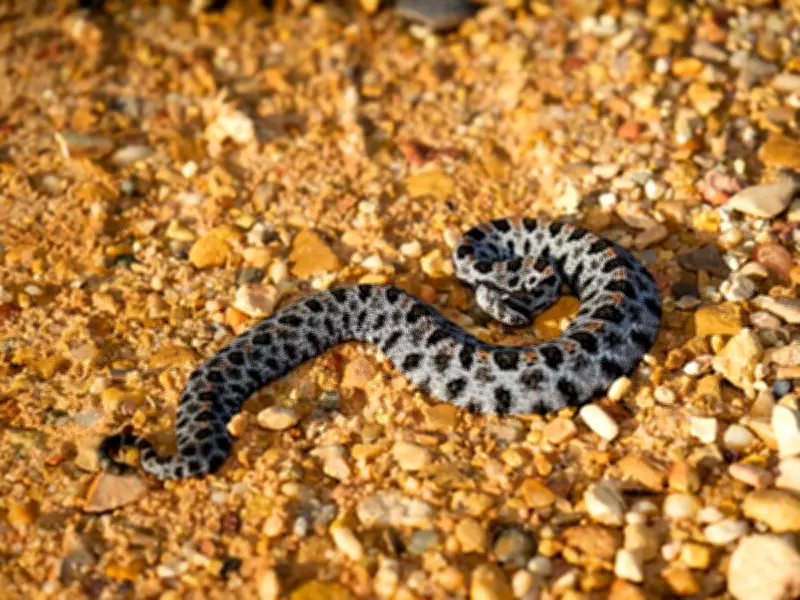
A comprehensive health survey of wild reptiles in the southeastern United States has revealed widespread infections caused by fungi, parasites, and bacteria among hundreds of snakes. The study, published in Frontiers in Veterinary Science and reported by Discover Wildlife, tested 509 snakes from 29 species across Florida, Georgia, and South Carolina. Scientists say the data offer a unique glimpse into health threats facing local snake populations amid habitat loss and environmental changes.
Survey Methodology
Teams from the University of Georgia and other institutions spent four years collecting tissue samples from snakes in wetland and forest habitats. The study assessed seven potential pathogens affecting snake health.
Multiple Pathogens Common
The survey found that exposure to multiple pathogens was widespread. Nearly half of the snakes (44 percent) tested positive for more than one pathogen. Salmonella enterica was the most prevalent infectious organism, detected in 62.6 percent of the snakes. The parasite Hepatozoon infested 53.4 percent of the snakes, while Mycoplasma bacteria were found in 17.5 percent. The fungus Ophidiomyces ophidiicola, which causes snake fungal disease (SFD), was present in 16.1 percent of the snakes.

Lead author Corinna Hazelrig noted, "A snake can carry a pathogen and still appear completely healthy. What matters is understanding what pushes infection into something deadly."
Snake Fungal Disease a Major Concern
Snake fungal disease emerged as a significant issue. Caused by Ophidiomyces ophidiicola, it has affected North American snakes in recent years. Previous studies linked it to skin ulcers, scabs, swelling, shedding difficulties, and mortality. The current study found that snakes with more infections were more likely to have SFD, and infection was associated with poor body condition.
Pygmy Rattlesnakes Hardest Hit
The pygmy rattlesnake (Sistrurus miliarius), a small venomous snake common in the Southeast, showed particularly high infection levels. Researchers noted its susceptibility to SFD and called for further observation, though they did not predict drastic population impacts.
Invasive Parasite Detected in Florida
The parasitic lungworm Raillietiella orientalis was found only in Florida snakes, not in Georgia or South Carolina. Previous research suggests the worm was introduced with invasive Burmese pythons. Infection was linked to poorer body condition. While Burmese pythons tolerate the parasite, local snakes may not.
Why Snake Health Matters
Snakes play vital roles in ecosystems, controlling rodent populations and serving as prey for larger predators. Disease epidemics could ripple through food webs. Senior author Nicole Nemeth, director of research and diagnostics at the University of Georgia's Southeastern Cooperative Wildlife Disease Study, emphasized that wildlife face multiple environmental stressors, creating favorable conditions for pathogens.
The scientists believe their work provides a valuable reference for future studies on wildlife disease control and conservation, helping identify infection hotspots and species affected by emerging diseases.