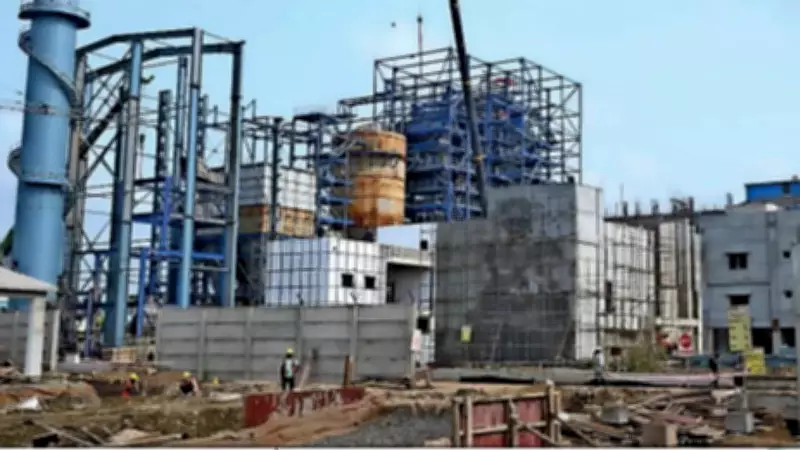
Mumbai's first waste-to-energy plant, concealed behind mountains of legacy garbage at the Deonar dumping ground, is nearing completion, with civic officials eyeing December for stabilised operations. Spread across 12 hectares, the ambitious project aims to process 600 tons of municipal waste daily and generate approximately eight megawatts of electricity, which is likely to power BMC facilities such as the Bhandup water treatment complex.
Transformation of the Deonar Site
A visit to the site on Thursday revealed the sheer scale of the undertaking. Giant boiler structures, flue gas treatment units, composting sheds and conveyor systems now stand where nearly one million tons of legacy waste once lay piled up. "This entire area was earlier buried under garbage nearly six metres high," said DBSSR Sastry, senior vice president of waste to energy at Ramky Sustainability Solutions, pointing towards the sprawling site. "One million tons of waste had to first be scientifically shifted and stabilised within Deonar itself before construction of the plant could even begin."
Facility Layout and Local Concerns
Officials stated that the processing plant machinery occupies nearly two hectares, while the remaining area houses sanitary landfill zones, leachate treatment systems, water reservoirs and future expansion space. Among locals, concerns are many. Advocate and Govandi resident Faiyaz Shaikh said, "Deonar already has a biomedical facility. Now the authorities are adding a new facility from where emissions would pollute the area. Don't those living around the area deserve a good quality of life?"

Emission Control Measures
But planners say the plant's design ensures that emissions generated during combustion undergo multiple stages of treatment before release. Officials explained that the flue gas first enters a spray reactor, where acidic gases are neutralised using lime slurry. It is then passed through bag filters that capture particulate emissions before the treated air is released through chimneys. "People often fear these plants because of emissions, but this is not untreated smoke being released directly. The gases go through several treatment stages," an official said.
The facility has been planned and designed as a fully enclosed structure. Officials noted that the processing sheds and segregation areas will remain covered, with no open dumping or exposed waste handling.
Water Supply and Sustainability
The project has supporting infrastructure. Since the Deonar site lacks its own reliable water source, the BMC-appointed contractor has laid a nearly 4km pipeline from the Ghatkopar sewage treatment plant, crossing the creek through underground horizontal directional drilling. The plant is expected to consume nearly 480 kilolitres of treated water daily, primarily for boiler operations and waste processing. Of this, around 300 kilolitres will be required just for steam generation. "This is one of the unique aspects of the project. Treated sewage water is being reused instead of fresh potable water," an official said.
Electricity Usage Plans
Kiran Dighavkar, deputy municipal commissioner of the solid waste management department, said, "At present, we are evaluating two options -- either selling the electricity generated from the plant or using it for captive consumption at the facility. A consultant has been appointed to prepare a proposal for the Maharashtra Electricity Regulatory Commission (MERC). Based on the consultant's recommendations and what is most beneficial for the BMC, a decision will be taken."