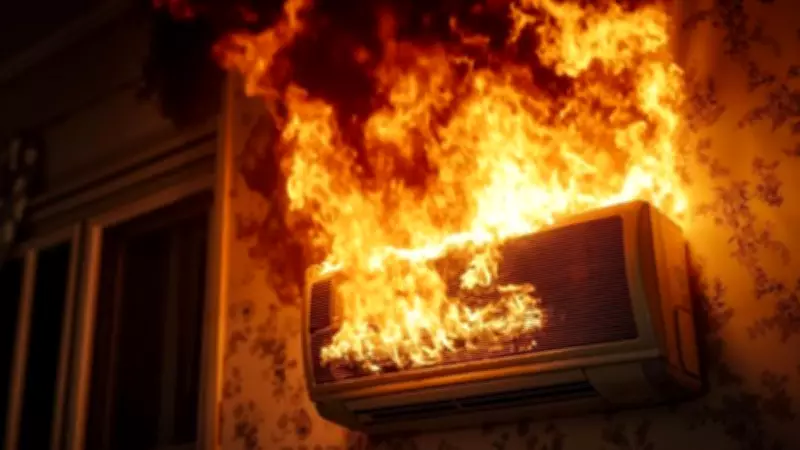
AC Blast Risk in Summer: Avoid These Common Mistakes to Stay Safe at Home
As temperatures soar during the summer months, air conditioners become essential for comfort. However, improper use and maintenance can lead to dangerous AC blasts. Understanding the common mistakes that increase the risk of an AC explosion is crucial for ensuring safety at home.
Common Mistakes That Can Cause AC Blasts
- Ignoring Regular Maintenance: Dirty filters, clogged coils, and refrigerant leaks can cause the system to overheat, leading to a potential blast. Regular servicing every few months is essential.
- Using Faulty Wiring or Old Electrical Systems: Old or damaged wiring can cause short circuits, overheating, and fires. Ensure your home's electrical system is upgraded to handle the AC load.
- Improper Installation: Incorrect installation, such as using wrong-sized circuit breakers or loose connections, can lead to electrical faults. Always hire a certified professional.
- Blocking Airflow: Placing objects near the indoor or outdoor unit restricts airflow, causing the compressor to overheat. Keep at least two feet of clearance around the unit.
- Running AC Continuously for Long Hours: Non-stop operation can strain the system. Use a thermostat to regulate temperature and give the AC breaks.
- Neglecting Refrigerant Levels: Low refrigerant forces the compressor to work harder, increasing the risk of overheating. Check refrigerant levels annually.
Signs Your AC Might Be at Risk
Look out for unusual noises, burning smells, frequent tripping of circuit breakers, or warm air blowing from vents. These could indicate underlying issues that may lead to a blast. If you notice any of these signs, turn off the AC immediately and contact a technician.
Safety Tips to Prevent AC Blasts
- Schedule Regular Professional Inspections: Have a licensed technician inspect your AC at least once a year, preferably before summer.
- Install a Surge Protector: Voltage fluctuations can damage the AC's electrical components. A surge protector can help prevent this.
- Use a Stabilizer: In areas with unstable voltage, a voltage stabilizer can protect the AC from power surges.
- Ensure Proper Ventilation: The outdoor unit should be placed in a well-ventilated area away from direct sunlight and debris.
- Replace Old Units: If your AC is over 10-15 years old, consider replacing it with a newer, more energy-efficient model that has built-in safety features.
What to Do in Case of an AC Blast
If an AC blast occurs, evacuate the area immediately and call the fire department. Do not attempt to extinguish electrical fires with water. Use a fire extinguisher rated for electrical fires if trained. After the incident, have a professional inspect the entire electrical system before restoring power.

By being aware of these common mistakes and following safety guidelines, you can significantly reduce the risk of an AC blast and enjoy a cool, safe summer.