Ukraine Paralympic Team to Boycott Opening Ceremony in Protest Over Russian Participation
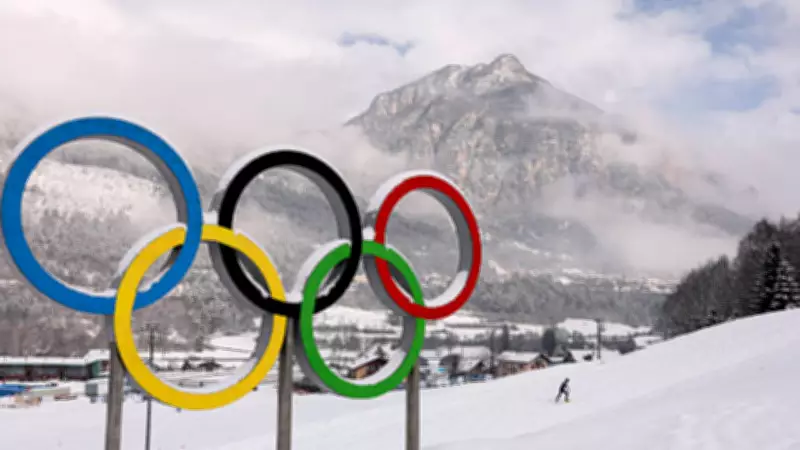
The Ukrainian Paralympic team has announced it will not attend the opening ceremony of the Milano Cortina Paralympic Winter Games scheduled for March 6 in Verona, Italy. This decision comes as a direct response to the International Paralympic Committee's (IPC) controversial ruling to permit a limited number of athletes from Russia and Belarus to compete while representing their countries.
Strong Emotional Response to IPC Decision
The National Paralympic Committee of Ukraine confirmed this boycott, stating the move has sparked intense emotions within the nation. Ukrainian officials have declared the IPC's decision unacceptable while the war between Ukraine and Russia continues, with tensions remaining extremely high. The authorities emphasized that although Ukrainian athletes will still participate in competitive events, all government representatives and team members will abstain from the ceremonial proceedings.
Allocation of Participation Slots
The IPC has allocated a total of ten participation slots to Russian and Belarusian athletes for the Games, which will be held from March 6 to March 15. Specifically:

- Russia received two places each in para alpine skiing, cross-country skiing, and snowboarding
- Belarus was granted four positions in cross-country skiing
Ukrainian sports authorities have expressed deep concern over this allocation, noting that these athletes were granted entry despite not completing the standard qualification process that other nations followed.
Ukrainian Concerns and Historical Context
The Ukrainian Paralympic committee has criticized the IPC ruling as demonstrating a lack of sensitivity toward Ukrainian victims and athletes who have lost teammates during the ongoing conflict. Ukrainian athletes have voiced their disappointment, explaining that competing against rivals under national symbols connected to the war presents significant emotional challenges.
Ukraine's Sports Minister Matvii Bidnyi confirmed the ceremonial boycott while affirming that athletes will still compete to represent their country. This decision mirrors a similar protest at the 2014 Sochi Paralympics, when Ukraine limited its opening ceremony attendance following Russia's annexation of Crimea.
Broader Implications for Sports and Politics
The controversy has reignited the longstanding debate over whether sport can maintain neutrality during times of armed conflict. Political tension now surrounds the Paralympics even before competition begins in Italy, shifting focus from athletic performances to diplomatic disputes.
Meanwhile, Russia has defended the IPC's decision, arguing that sport should remain separate from politics. However, this dispute threatens to overshadow the Games, which were originally intended to celebrate inclusion and unity. The IPC has stated it continues discussions with Ukraine's Paralympic leadership in an attempt to address concerns.
The Milano Cortina Paralympic Winter Games 2026, expected to be a celebration of athletic achievement and international cooperation, now finds itself at the center of a geopolitical controversy that highlights the complex relationship between sports and global conflicts.