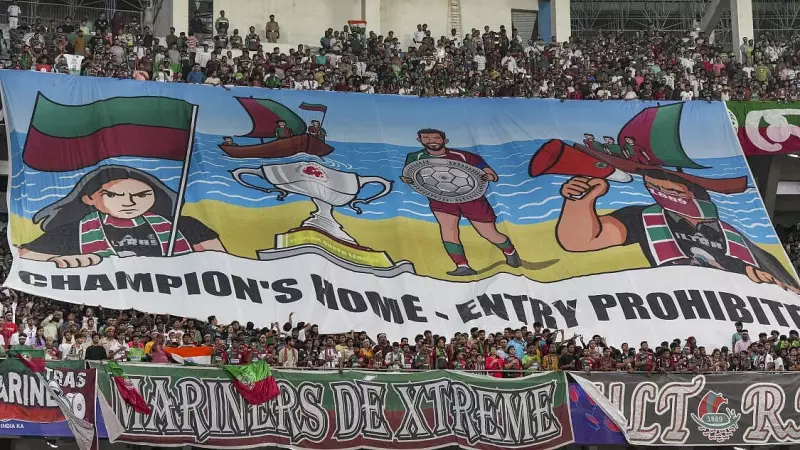
The Indian Super League (ISL) is set for a dramatic return on September 21, 2024, but the upcoming season comes with a significant twist. The league will operate within a tightly packed 22-week window, a decision that has sparked intense debate among clubs, coaches, and fans about the potential impact on player welfare and the overall quality of the competition.
The Squeezed Schedule: A Recipe for Fatigue?
For the 2024-25 campaign, the ISL has been condensed into just over five months of action. This truncated timeline is a direct result of the need to accommodate the 2026 FIFA World Cup qualifiers in the latter part of the season. While necessary from a national team perspective, this compression means clubs will face a grueling schedule of matches with minimal recovery time between games.
The fixture congestion is further exacerbated by the inclusion of other domestic tournaments. Teams are also expected to compete in the Super Cup and the Durand Cup, creating a potential overload. This scenario raises serious questions about the risk of player injuries, squad rotation challenges, and whether the intensity of the football on display can be maintained throughout the season.

Club Concerns and the Depth Dilemma
This compressed calendar places a premium on squad depth and management. Coaches like Juan Pedro Benali of Chennaiyin FC have openly expressed their worries. The primary concern is that players, especially those featuring in multiple competitions, will not have adequate time to recuperate, leading to increased muscular injuries and burnout.
The situation puts Indian clubs, which often operate with smaller budgets and less deep squads compared to global counterparts, in a particularly tough spot. Managing player minutes becomes a high-stakes puzzle. This could inadvertently benefit teams with stronger benches and more robust youth academies, potentially widening the competitive gap within the league.
Broader Implications for Indian Football
The scheduling crunch opens a broader debate about the structure of the Indian football calendar. The ISL's shortened season, while fitting in World Cup qualifiers, highlights an ongoing lack of synchronization between the club and country schedules. This has been a persistent issue, with the All India Football Federation (AIFF) often grappling to find a harmonious balance.
Furthermore, the quality of the national team itself could be impacted. If key Indian players are overworked and fatigued from a relentless club schedule, their performance and readiness for crucial World Cup qualifying matches may suffer. The league's decision, while pragmatic for calendar alignment, might come at the cost of the very players it aims to showcase.
As the kick-off on September 21 approaches, the excitement for the new ISL season is tempered by these significant concerns. The league finds itself walking a tightrope, aiming to deliver an exciting product while navigating the physical demands of a packed fixture list. How clubs adapt to this challenge will be one of the defining stories of the 2024-25 Indian Super League.