Indian Football Team Faces Entry Denial at Kochi Stadium Over Financial Dispute
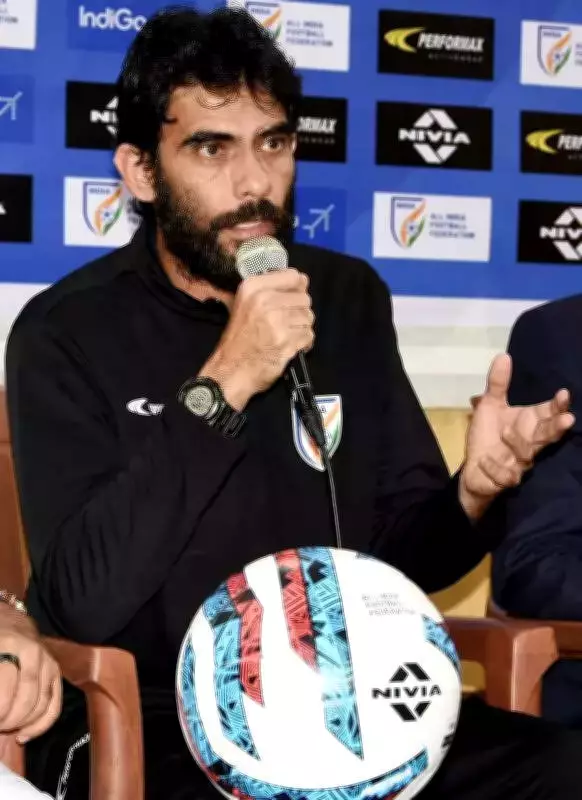
In a shocking incident that has cast a shadow over India's preparations for the Asian Cup qualifier, the national men's football team and head coach Khalid Jamil were refused entry to the Jawaharlal Nehru International Stadium in Kochi on Thursday. The team was scheduled to inspect the pitch and hold a press conference ahead of their crucial match against Hong Kong on March 31, but officials from the Greater Cochin Development Authority (GCDA) blocked their access, citing unpaid dues.
Payment Issues Halt Team Activities
The GCDA security staff enforced strict instructions from their superiors, preventing not only the coach and players but also journalists from entering the stadium complex. According to sources, the authority demanded a full payment of Rs 25 lakh as a security deposit and Rs 3 lakh as match rent from the Kerala Football Association (KFA), the host association for the upcoming qualifier. Despite the KFA's agreement to pay, the GCDA insisted on immediate settlement of all procedures on Thursday itself, leading to a standoff.
KFA president Navas Meeran downplayed the situation, calling it a "minor technical problem" that would be resolved soon, and assured that the Asian Cup qualifier would proceed as planned. However, the immediate consequences were severe: the Indian team had to relocate their training session to Kerala Blasters' training ground in Trippunithura, located 10 kilometers away from the stadium.

Impact on Players and Media
Kerala-based players Ashique Kuruniyan, Sahal Abdul Samad, and Bijoy Varghese, who were en route to join Coach Jamil for the media interaction, had to turn back to their hotel upon learning of the entry denial. Coach Jamil, after waiting extensively at the KFA office amidst the dispute, was left with no choice but to depart when the GCDA failed to cooperate. The main gate of the stadium was subsequently locked, further exacerbating the embarrassment for the national team.
This is not an isolated incident for the GCDA, which has a history of similar heavy-handed actions. In late February, the authority forced Kerala Blasters out of the venue on the eve of an Indian Super League match against Mumbai City, even denying entry to officials from the All India Football Federation. Notably, the GCDA had initially taken the initiative to host the national team's match in Kochi to mitigate controversy surrounding Lionel Messi-led Argentina's visit to the state, making this latest episode particularly ironic.
Broader Implications for Indian Football
The incident raises serious questions about the management and infrastructure support for football in India, especially ahead of important international fixtures. With the Asian Cup qualifier just days away, such disruptions could potentially affect team morale and preparation. GCDA chairman K Chandran Pillai was unavailable for comment, leaving many aspects of the dispute unresolved.
As the football community awaits a swift resolution, this event underscores the need for better coordination between sports authorities and local bodies to ensure smooth operations for national teams. The focus now shifts to whether the payment issues will be settled in time to avoid further embarrassment and allow the Indian team to focus on their upcoming match against Hong Kong.