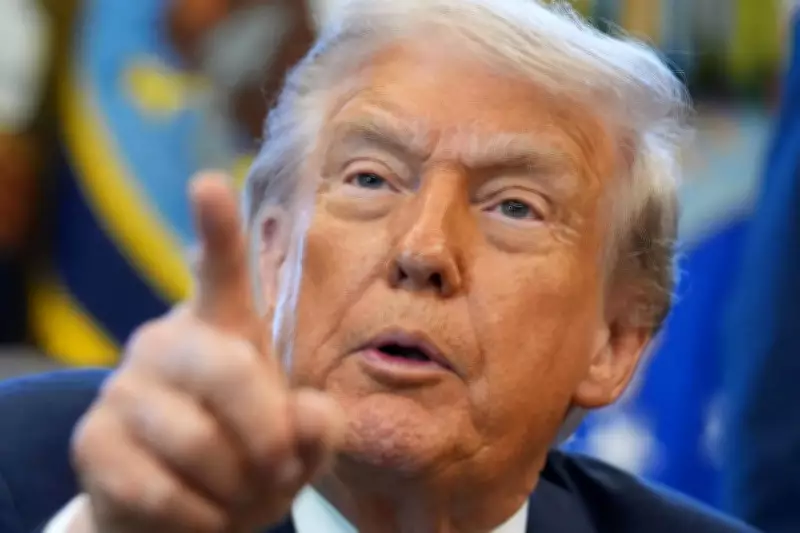
Donald Trump admitted he would not personally pay $1,000 to attend a United States match at the 2026 FIFA World Cup after learning how expensive tickets have become for supporters. The tournament, jointly hosted by the United States, Canada, and Mexico, begins on June 11, 2026. It marks the first men's World Cup in North America since 1994 and the first with an expanded 48-team format.
Trump's Reaction to Ticket Prices
Speaking to the New York Post, Trump was informed that tickets for the U.S. opener against Paraguay at SoFi Stadium in Los Angeles were selling for around $1,000. "I did not know that number," Trump said. "I would certainly like to be there, but I wouldn't pay it either, to be honest with you." He expressed concern that working-class supporters might be priced out. "If people from Queens and Brooklyn and all of the people that love Donald Trump can't go, I would be disappointed," he said. "I would like to be able to have the people that voted for me to be able to go."
FIFA Defends Pricing
Trump's remarks came hours after FIFA President Gianni Infantino defended ticket prices at a Beverly Hills conference. "We have to look at the market – we are in the market in which entertainment is the most developed in the world," Infantino said. He argued that 25% of group-stage tickets cost less than $300, comparing favorably to major U.S. sporting events. Infantino noted that over 500 million ticket requests were submitted during the initial ballot phase.

Resale Market Controversy
Despite some official price reductions, resale prices have soared. The final at MetLife Stadium on July 19, 2026, has an average ticket cost of around $13,000, up from $1,600 for the 2022 final in Qatar. Four tickets were listed for $2.3 million. Infantino responded with humor, offering "a hot dog and a Coke" to anyone paying that amount, but defended resale as a market reality. FIFA earns fees from official resale transactions, taking 15% from both buyer and seller.
The 2026 World Cup will feature 16 venues: 11 in the U.S., three in Mexico, and two in Canada. Ticket pricing has been a defining issue, with group-stage prices now based on team popularity. Supporter groups have criticized costs as "extortionate."