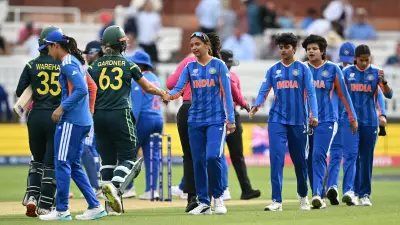
The Supreme Court of India has firmly dismissed a petition that sought to restrain public broadcaster Prasar Bharati from referring to the Board of Control for Cricket in India (BCCI) squad as 'Team India' or the 'Indian national cricket team'. The apex court labeled the plea as frivolous, bringing an end to a legal challenge that questioned the nomenclature of the country's premier cricket team.
What Was the Petition About?
The petitioner had approached the Supreme Court with the argument that using the terms 'Team India' or 'Indian national cricket team' for the BCCI squad is misleading to the public. It was contended that such terminology violates laws governing the use of national symbols, as the BCCI is a private body and not officially recognized as a national team under governmental statutes.
Court's Stern Response
In a decisive move, the Supreme Court bench hearing the case outright rejected the petition, deeming it lacking in merit and substance. The court emphasized that the plea was frivolous and did not warrant any judicial intervention, thereby upholding Prasar Bharati's current practice of broadcasting and referring to the cricket team under these commonly used titles.

Implications for Cricket Broadcasting
This dismissal reinforces the status quo in Indian cricket broadcasting, where 'Team India' has become a household name synonymous with the national cricket squad. Prasar Bharati, along with other media outlets, can continue to use this terminology without legal hindrance, ensuring consistency in sports coverage that fans have grown accustomed to.
The BCCI, as the governing body for cricket in India, operates independently but represents the country in international tournaments. The court's decision indirectly acknowledges the board's role in fielding teams that compete under the Indian flag, despite its private structure.
Public and Legal Perspectives
From a public perspective, the term 'Team India' evokes national pride and unity, especially during high-profile tournaments like the World Cup or bilateral series. Legally, the petition had raised questions about the appropriation of national symbols, but the Supreme Court's dismissal suggests that such concerns do not override common usage and public sentiment in this context.
This ruling also highlights the judiciary's approach to sports-related petitions, prioritizing substantive issues over technicalities that might disrupt established norms in popular culture and media.