Bangladesh Cricket Board Takes Defiant Stand Against ICC Over T20 World Cup Participation
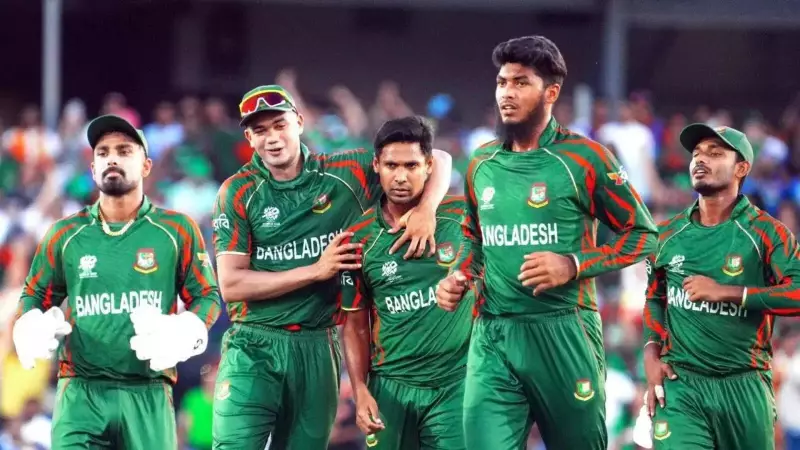
The International Cricket Council finds itself embroiled in a deepening crisis just two weeks before the T20 World Cup 2026 commences, as the Bangladesh Cricket Board has categorically refused to send its national team to India for the tournament. Following a crucial meeting in Dhaka with the country's sports advisor and national team cricketers, BCB officials announced on Thursday that under no circumstances would the Bangladesh cricket team travel to India to participate in matches, while simultaneously blaming the ICC for denying them what they term as "justice."
ICC's Ultimatum and Bangladesh's Defiant Response
The global cricketing community now anxiously awaits the ICC's next strategic move after the governing body voted against Bangladesh's request for a venue shift to co-host Sri Lanka on Wednesday. In a decisive action, the ICC issued a 24-hour ultimatum to the BCB, creating additional pressure on the already strained relationship between the two organizations. With Bangladesh's participation virtually eliminated due to their defiant position, the ICC must now accelerate its contingency planning for this mega event.
Scotland Emerges as Frontrunner Replacement
As the situation intensifies, Scotland has emerged as the leading contender to replace Bangladesh in the T20 World Cup 2026 lineup. Cricket authorities anticipate the ICC will make this replacement official in the coming days, potentially marking another chapter in cricket's history of last-minute tournament alterations. This development follows escalating tensions between India and Bangladesh that began when the Board of Control for Cricket in India requested that Indian Premier League franchise Kolkata Knight Riders release star Bangladesh pacer Mustafizur Rahman from their squad without providing specific reasons.

Historical Precedents for Tournament Replacements
While the current situation appears unprecedented to casual observers, cricket history reveals several instances where teams have been replaced in ICC tournaments:
- 2016 ICC Under-19 World Cup: Australia withdrew from the tournament hosted in Bangladesh due to security concerns, with Ireland stepping in as their replacement. The ICC expressed disappointment at Australia's decision while proceeding with the tournament where West Indies ultimately claimed their maiden U19 World Cup title.
- 2009 T20 World Cup: Zimbabwe withdrew from the England-hosted tournament amid visa issues and political tensions, with Scotland being named as their replacement. Pakistan went on to win that championship, defeating Sri Lanka in the final at Lord's Cricket Ground.
Broadcast Ban and Diplomatic Tensions
Bangladesh's response to the Mustafizur Rahman controversy extended beyond team participation, with authorities implementing a complete ban on IPL broadcasts within the country. This move represents a significant escalation in the ongoing diplomatic and sporting tensions between the neighboring nations. Despite their firm refusal to travel to India—where Bangladesh was scheduled to play all three group matches in Kolkata and Mumbai—the BCB has notably not formally announced its withdrawal from the tournament, leaving a narrow window for potential resolution.
Tournament Implications and Future Scenarios
The cricketing world now faces multiple critical questions as the tournament approaches:

- Will the ICC maintain its current stance on the tournament schedule despite Bangladesh's boycott threats?
- How will Scotland's potential inclusion affect group dynamics and tournament predictions?
- What long-term implications will this controversy have on ICC-BCB relations and future tournament hosting decisions?
With the T20 World Cup 2026 just fourteen days away, cricket administrators face mounting pressure to resolve this escalating crisis while ensuring the tournament proceeds smoothly. The coming days will determine whether diplomatic channels can achieve a breakthrough or whether Scotland will officially join the tournament lineup, creating another historical footnote in international cricket's complex narrative of political and sporting intersections.