Patriots Release Josh Dobbs, Embrace Youthful Backup Strategy
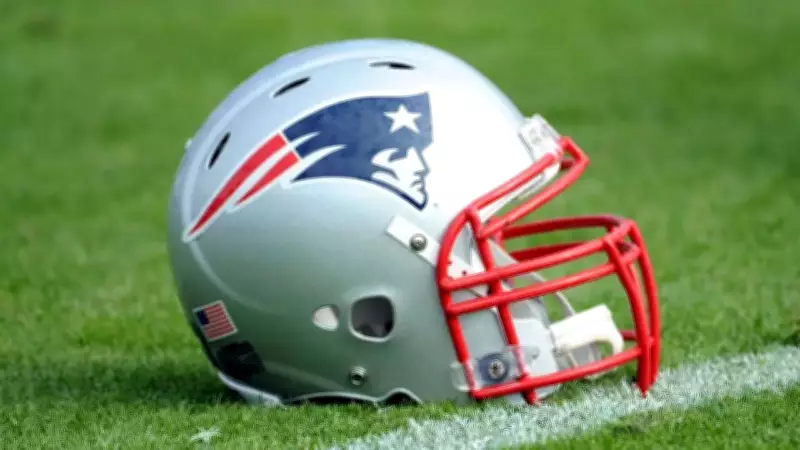
This week, the New England Patriots executed a subtle yet significant roster adjustment that reshapes the quarterback depth chart behind starter Drake Maye. While this move may not dominate headlines like a blockbuster trade, it underscores the team's deliberate direction as they seek to establish stability following their Super Bowl campaign. Minor roster tweaks often reveal broader strategic intentions, and this decision is a prime example of that principle in action.
Dobbs' Exit and DeVito's Rise Signal New Era
On Monday, the Patriots officially released veteran quarterback Josh Dobbs, paving the way for a revamped backup structure. This timing was far from coincidental, occurring shortly after the team secured Tommy DeVito with a two-year contract extension. The move hints at a clear shift toward cultivating a younger and more financially manageable quarterback room, aligning with contemporary NFL trends that favor developing backups within the system over relying on experienced journeymen.
Dobbs' departure concludes a brief tenure in New England, where he appeared in four games last season, completing 7 of 10 passes for 65 yards. Although his on-field contributions were limited, his presence provided valuable experience in a quarterback group heavily reliant on Maye during a deep postseason push. His release reflects the Patriots' evolving priorities as they build for the future.

DeVito's Contract Highlights Confidence in Youth
The Patriots' commitment to Tommy DeVito is evident in his new two-year deal, valued at up to $7.4 million with $2 million guaranteed. This investment signals strong confidence in his ability to assume the primary backup role, emphasizing a preference for youthful talent that can grow within the team's framework. In contrast, Dobbs now returns to the free-agent market, where he will likely seek another opportunity as a veteran insurance option. Since entering the league as a fourth-round pick in 2017, Dobbs has navigated multiple teams, including stints in Pittsburgh, Tennessee, Arizona, Minnesota, San Francisco, and New England, earning a reputation as a reliable but transitional player.
Broader Roster Enhancements Support Strategic Vision
The Patriots did not limit their adjustments to the quarterback position. They also bolstered their roster by adding offensive tackle James Hudson III and cornerback Kindle Vildor, reinforcing both offensive and defensive units. These acquisitions, while understated, contribute to a steady and methodical approach to team building, focusing on depth and long-term development rather than splashy, short-term fixes.
Ultimately, this decision transcends Dobbs' individual performance, highlighting the Patriots' overarching strategy. New England appears focused on maintaining consistency around Drake Maye, trusting a younger backup like DeVito while strengthening key positions across the board. This planned transition exemplifies a forward-thinking mindset, prioritizing sustainable growth over immediate solutions as the team navigates the post-Super Bowl landscape.