Pakistan's Political Boycott Shakes T20 World Cup 2026
In a dramatic development that has sent shockwaves through the cricketing world, Pakistan has officially announced its decision to boycott the highly anticipated Group A match against arch-rivals India at the ICC Men's T20 World Cup 2026. The announcement came through an official social media post from the Government of the Islamic Republic of Pakistan, creating an unprecedented situation where political considerations have directly impacted international cricket scheduling.
The Official Announcement and Its Implications
The Pakistani government's statement clarified that while their national cricket team has received permission to participate in the overall tournament, they "shall not take the field" for the specific match scheduled against India on February 15 in Colombo, Sri Lanka. Interestingly, Pakistani players themselves learned about this significant decision through the same government communication, indicating the top-down nature of this political directive. The players remain cleared to participate in all other World Cup matches, creating a peculiar situation of selective participation in a global tournament.
Understanding ICC Walkover Procedures
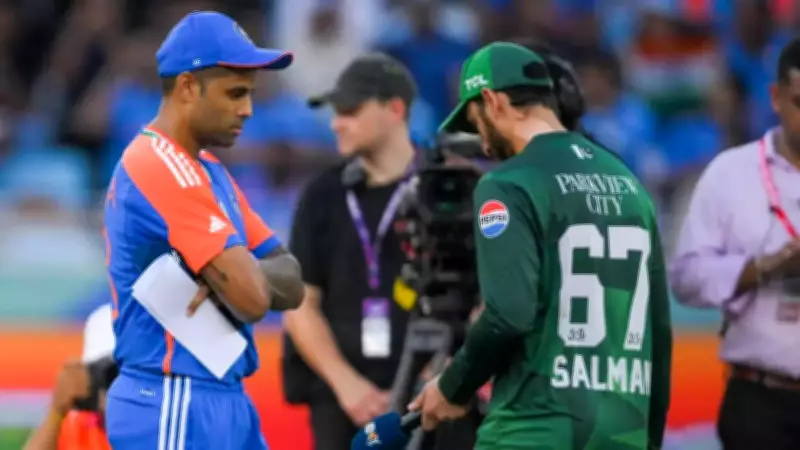
Contrary to popular belief, the International Cricket Council's playing conditions do not automatically grant a walkover simply because a team announces its intention not to play. According to established ICC regulations, for a match to be officially forfeited, one team must fail to present itself at the designated venue at the appointed time for the coin toss. Until that critical moment arrives, the fixture continues to be treated as proceeding according to the original schedule.

This procedural requirement means India must follow all standard match-day protocols despite Pakistan's announced boycott. Indian captain Suryakumar Yadav is expected to arrive at the R Premadasa Stadium on time and walk out for the scheduled toss. Only if Pakistani representatives fail to appear for this ceremonial beginning will the match referee have grounds to formally award India a walkover, which carries the standard two points in the group standings.
India's Preparations Continue Unabated
Despite the unusual circumstances, the Board of Control for Cricket in India (BCCI) has confirmed through sources cited by news agency ANI that the Indian team will maintain its normal preparation routine. This comprehensive approach includes:
- Traveling to Sri Lanka as originally planned
- Continuing training sessions according to schedule
- Attending mandatory pre-match press conferences
- Reporting to the stadium on match day as required
The BCCI's stance reflects the understanding that only the match referee possesses the authority to officially call off the game and confirm the walkover, making proper procedure essential.
ICC's Response and Broader Concerns
The International Cricket Council has acknowledged the Pakistani government's statement while simultaneously noting that it awaits official communication from the Pakistan Cricket Board (PCB). In its formal response, the ICC expressed concern that selective participation challenges fundamental tournament principles, specifically:
- Fairness in competition
- Consistency in application of rules
- Maintenance of sporting integrity
The global governing body also warned that such politically motivated decisions could have wider implications for Pakistan cricket, potentially affecting their standing in future tournaments and their relationship with international cricket authorities.
The Procedural Path Forward
Despite the political dimensions of Pakistan's announcement, the immediate process remains strictly procedural rather than political. Unless Pakistan reverses its position before match day, the outcome will hinge entirely on a single moment—whether their team representatives appear for the scheduled coin toss. If they fail to do so, India will be awarded the match without a single ball being bowled, strictly in accordance with ICC tournament regulations.

This situation creates a unique scenario where cricket diplomacy intersects with tournament rules, setting a precedent for how political decisions might interact with international sporting events in the future. The cricketing world now watches closely as this unprecedented situation unfolds according to established ICC protocols.