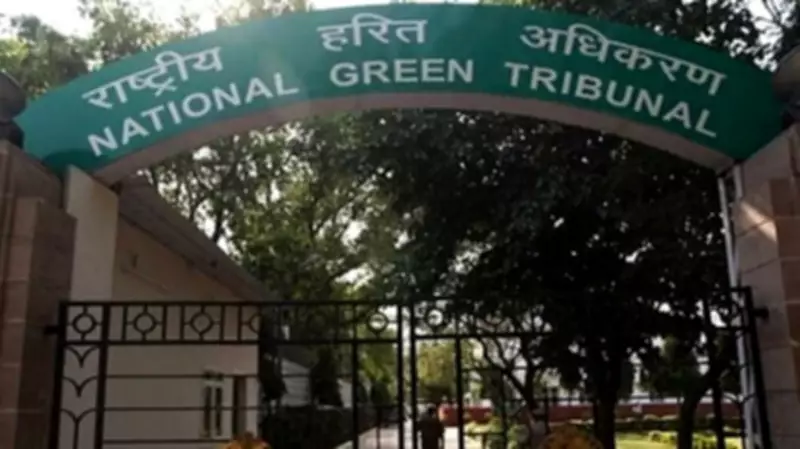
The National Green Tribunal (NGT) has taken a firm stance against environmental non-compliance by imposing a fine of Rs 5,000 each on twelve cricket stadiums across India. These venues have been penalized for their failure to provide essential details regarding their groundwater usage, a critical issue in the context of India's ongoing water conservation efforts.
Stadiums Face Financial Penalties for Data Omissions
In a recent ruling, the NGT highlighted the lack of transparency from these sporting facilities, which are required to report their groundwater consumption as part of regulatory measures. The tribunal's decision underscores the importance of accountability in water resource management, especially for large-scale establishments that often have significant environmental footprints.
IS Bindra Stadium in Mohali Draws Specific Criticism
Among the stadiums cited, the IS Bindra Stadium, operated by the Punjab Cricket Association in Mohali, received particular attention from the NGT. The tribunal expressed strong disapproval over the stadium's practice of using approximately 6,000 Kilo Litres per Month (KLM) of groundwater for irrigation purposes. This substantial consumption is occurring without the installation of a sewage treatment plant (STP), raising serious concerns about sustainable water use and pollution control.

The absence of an STP at the IS Bindra Stadium means that wastewater is not being treated before potential discharge, which could lead to environmental degradation. This case serves as a stark reminder of the need for infrastructure that supports eco-friendly operations in sports venues.
Broader Implications for Sports Infrastructure
This ruling by the NGT is part of a larger initiative to enforce environmental regulations across various sectors, including sports. Cricket stadiums, as major public venues, are expected to lead by example in adopting sustainable practices. The fines imposed are relatively modest but symbolic, intended to prompt immediate corrective actions and foster a culture of compliance.
Experts suggest that such measures are crucial as India grapples with water scarcity issues in many regions. By holding stadiums accountable, the NGT aims to encourage better water management strategies, such as rainwater harvesting, recycling, and reduced dependency on groundwater.
Looking Ahead: Compliance and Conservation
The NGT's action is likely to spur other stadiums and similar facilities to review their environmental practices. Stakeholders in the sports industry may need to invest in green technologies and submit regular reports to avoid future penalties. This development aligns with global trends where sports organizations are increasingly prioritizing sustainability to mitigate their ecological impact.
As the story unfolds, it will be important to monitor how the affected stadiums respond to the fines and whether they take steps to address the highlighted issues. The case also raises questions about the enforcement of environmental laws in India and the role of tribunals in safeguarding natural resources for future generations.