NFL Star's Super Bowl Celebration Turns Violent in San Francisco Nightclub Shooting
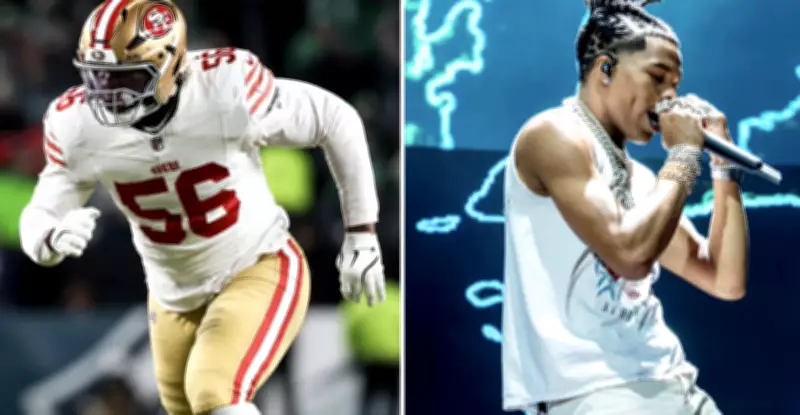
What should have been a celebratory night for the San Francisco 49ers organization following Super Bowl LX at Levi's Stadium instead descended into chaos and violence for one of their key defensive players. Defensive lineman Keion White, who had just competed in the championship game, found himself in a hospital bed hours later after being shot during a confrontation at an exclusive post-game party.
The Scene of the Incident
According to detailed police reports from the San Francisco Police Department, the violent episode unfolded at Dahlia, a popular nightclub located in the city's bustling Mission District. The establishment was packed with revelers in the early morning hours of Monday, February 9, 2026, still buzzing with the electric energy that follows the NFL's biggest annual event. Witnesses described the floors as being literally carpeted with dollar bills, creating an atmosphere of extravagant celebration.
White had organized a private, exclusive gathering in the club's basement VIP section, hosting what was intended to be a high-profile celebration. The mood shifted dramatically when Grammy-winning rapper Lil Baby, whose legal name is Dominique Jones, attempted to gain entry to the restricted area without proper authorization.

The Confrontation Escalates
What began as a verbal disagreement quickly escalated into a heated confrontation between the 6-foot-5-inch professional athlete and members of the rapper's entourage. Witnesses reported that the argument grew increasingly intense, with both parties exchanging heated words in what was described as anything but a friendly gathering of Bay Area celebrities.
The situation reached its breaking point when the club's music was suddenly interrupted by the unmistakable sound of gunfire. Two distinct shots rang out, causing immediate panic among the hundreds of partygoers present. White was struck in his left ankle by at least one bullet, collapsing to the floor as the crowd scattered in what multiple witnesses characterized as "utter pandemonium."
Police Investigation and Evidence
When SFPD officers arrived at the scene, they conducted a thorough forensic examination that yielded crucial evidence. Investigators recovered both a 9mm and a .45-caliber shell casing from the club's basement area, indicating that at least two different firearms had been discharged during the incident.
Despite being the victim of the shooting, Keion White has proven remarkably uncooperative with law enforcement officials. According to police sources, when questioned about the identity of the shooter, White has maintained strict silence, adhering to what investigators describe as a "no-snitch" code that has significantly hampered their progress. This lack of cooperation has forced detectives to rely heavily on surveillance footage and witness interviews to identify the perpetrator.
Medical Prognosis and Legal Status
The 49ers organization has confirmed that White underwent successful surgery at San Francisco General Hospital to address his ankle injury. Medical professionals expect a complete recovery, and team officials anticipate he will be ready to return to the field when the 2026 NFL season begins.
Regarding Lil Baby's involvement, police have clarified that while the rapper was physically present during the argument that preceded the shooting, he has not been named as a suspect in the case and faces no criminal charges at this time. The shooter remains officially classified as an "unknown suspect" who managed to disappear into the massive crowd of post-Super Bowl celebrants.
Broader Implications
This shocking incident serves as a stark reminder that professional athletes face dangers extending far beyond the playing field. The violent episode highlights how quickly celebratory environments can turn dangerous, particularly when combined with the high emotions following major sporting events.
As the investigation continues, both the NFL community and law enforcement officials are left grappling with questions about security protocols for athletes during high-profile events and the challenges of investigating crimes when key witnesses refuse to cooperate with authorities.