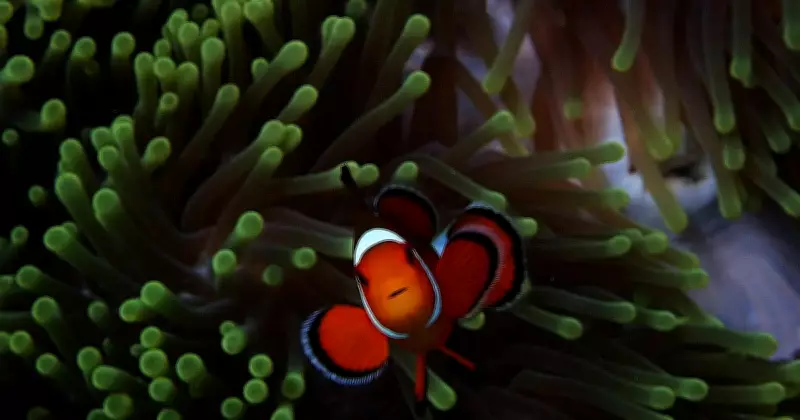
Terrestrial ecologist and certified diver Seshadri K S has documented the breathtaking yet fragile beauty of the underwater world through his deep-sea diving notes, emphasizing that the most effective way to save our oceans is to allow them to heal on their own. His observations, published on 26 June 2026, highlight the delicate balance of marine ecosystems and the urgent need for minimal human intervention.
Diving into Dickson's Pinnacle
During a dive at Dickson's Pinnacle, a site off Havelock Island in the Andaman and Nicobar Islands, Seshadri spotted feather stars—ancient marine animals related to starfish—clinging to coral formations. The sight, captured in a photograph by Chaitanya Arjunwadkar, underscores the rich biodiversity that thrives in these waters. Seshadri notes that such ecosystems are increasingly threatened by climate change, pollution, and overfishing.
Letting Oceans Heal Naturally
According to Seshadri, active restoration efforts often fail because they disrupt natural processes. Instead, he advocates for creating marine protected areas and reducing human stressors. "The ocean has an incredible capacity to regenerate if we give it space," he said, attributing this insight to years of terrestrial ecology work that showed similar patterns in forests. He cited a 2023 study indicating that fully protected marine reserves can increase fish biomass by over 600% within a decade.

Feather Stars: Indicators of Health
Feather stars, or crinoids, are filter feeders that indicate water quality. Their presence at Dickson's Pinnacle suggests relatively clean conditions, but Seshadri warned that rising sea temperatures could cause bleaching events, similar to those affecting coral reefs globally. He observed that many dive sites in the Andamans show signs of stress, with coral cover declining by an estimated 30% since 2015.
A Call for Minimal Intervention
Seshadri's notes challenge popular narratives of active ocean cleanup and coral planting. He argues that such efforts often cause more harm than good. "We must resist the urge to 'fix' everything. Nature knows best," he wrote. His perspective aligns with a growing consensus among marine biologists that passive recovery—through pollution control and fishing bans—is more sustainable.
The ecologist plans to publish a full field guide based on his dives, aiming to educate policymakers and the public. His work serves as a reminder that the ocean's beauty is both stunning and vulnerable, requiring humility and restraint in our conservation approaches.