India's Middle-Over Struggles Highlight World Cup 2026 Concerns
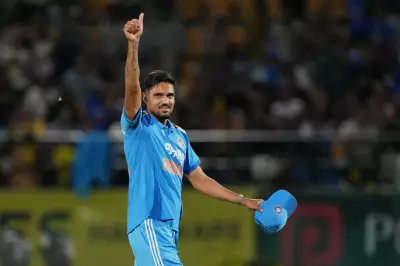
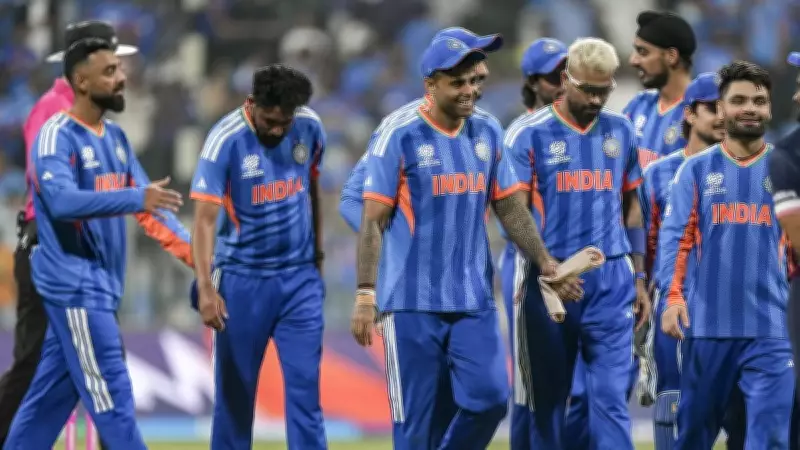
As the ICC Cricket World Cup 2026 progresses, the Indian cricket team finds itself under intense scrutiny due to a significant dip in performance during the crucial middle overs. Historically known for their aggressive batting approach, India's fiery intent in this phase has notably diminished, sparking debates among analysts and fans alike.
The Slower Ball Trap: A Persistent Threat
One of the key tactical challenges India faces is the effective use of slower balls by opponents, particularly Zimbabwe. In past encounters, Zimbabwe's bowlers have exploited this strategy to disrupt India's batting rhythm, leading to critical wickets at pivotal moments. This 'slower ball trap' has become a focal point in discussions ahead of their upcoming match, with experts questioning whether India has developed adequate countermeasures.
Alarming Wicket Loss Statistics
Statistical analysis from the tournament reveals a troubling trend for India. During the middle overs, specifically from overs 7 to 15, India has lost the second-highest number of wickets among all teams, totaling 15. This places them just behind England, who have lost 18 wickets in the same phase. This high rate of dismissals underscores a vulnerability that could be exploited by Zimbabwe's disciplined bowling attack.

The absence of India's characteristic middle-over aggression is particularly concerning, as it has often been a cornerstone of their successful campaigns. Without this intent, the team risks falling into predictable patterns, making them susceptible to strategic bowling variations like the slower ball.
Strategic Implications for the Upcoming Clash
As India prepares to face Zimbabwe, the focus will be on how the batting lineup adapts to counter the slower ball threat. Key players will need to demonstrate improved shot selection and timing to navigate this challenge effectively. Additionally, team management may consider tactical adjustments, such as promoting aggressive batsmen earlier or implementing specific training drills to handle variations in pace.
The outcome of this match could hinge on India's ability to overcome their middle-over woes. A failure to address these issues might not only impact their performance against Zimbabwe but also have broader implications for their World Cup campaign, potentially affecting morale and standings in the tournament.
Historical Context and Future Outlook
India's struggles with slower balls are not entirely new, but their recurrence in a high-stakes tournament like the World Cup 2026 amplifies the urgency for solutions. Past matches have shown that when India successfully counters such bowling tactics, they often dominate proceedings. Therefore, this upcoming fixture serves as a critical test of their adaptability and resilience.
Fans and pundits will be watching closely to see if India can rediscover their middle-over mojo and avoid falling into the 'slower ball trap' once again. The team's response could define their path forward in the competition, making this a pivotal moment in their World Cup journey.