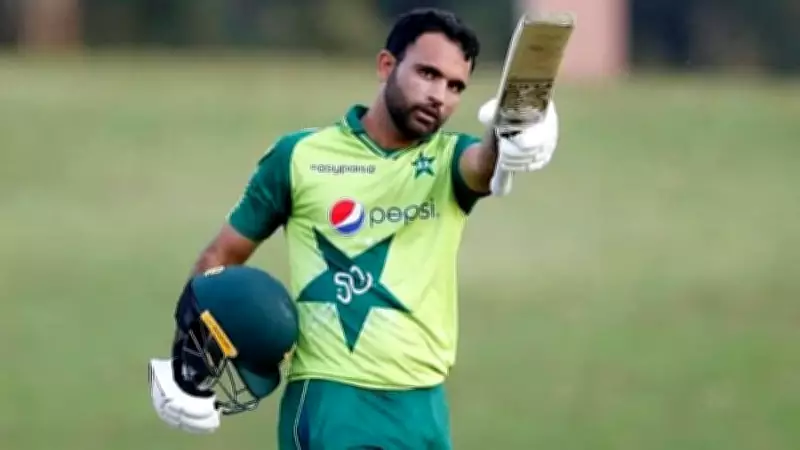
PCB Imposes Two-Match Ban on Fakhar Zaman for Ball Tampering in PSL
The Pakistan Cricket Board (PCB) has taken decisive action against national team opener Fakhar Zaman, imposing a two-match ban for ball tampering during a Pakistan Super League (PSL) match. This disciplinary measure underscores the board's commitment to upholding the integrity of the sport and enforcing strict anti-corruption protocols in domestic cricket tournaments.
Details of the Incident and Investigation
The incident occurred during a high-stakes PSL game, where match officials observed suspicious activities involving the ball. Upon review of video footage and a thorough investigation by the PCB's anti-corruption unit, Fakhar Zaman was found guilty of altering the condition of the ball, a clear violation of the International Cricket Council (ICC) and PCB regulations. The evidence presented was compelling, leading to swift adjudication by the disciplinary committee.
Fakhar Zaman, a key player for the Lahore Qalandars franchise, has been a prominent figure in Pakistani cricket, known for his aggressive batting style. However, this infraction has cast a shadow over his career, prompting discussions about player conduct and the pressures of professional cricket. The PCB emphasized that no player, regardless of stature, is above the rules, and such breaches will be met with stringent penalties to deter future misconduct.

Impact on PSL and Pakistani Cricket
The ban means Fakhar Zaman will miss two crucial matches in the ongoing PSL season, potentially affecting his team's performance and standings. This development has sparked reactions from fans, analysts, and fellow cricketers, with many expressing disappointment over the incident while supporting the PCB's zero-tolerance policy towards ball tampering.
Ball tampering has been a contentious issue in cricket globally, with past incidents involving international stars leading to suspensions and reputational damage. The PCB's action against Fakhar Zaman aligns with broader efforts by cricket governing bodies to maintain fairness and transparency in the game. It serves as a reminder to all players about the severe consequences of violating sporting ethics, which can include fines, match bans, and long-term career implications.
Broader Implications and Future Steps
In response to this case, the PCB has announced plans to enhance monitoring and education programs for players on anti-corruption measures. The board aims to prevent similar incidents by fostering a culture of integrity and accountability within Pakistani cricket. This incident also highlights the importance of robust officiating and technology in detecting rule breaches, ensuring that tournaments like the PSL remain credible and competitive.
As Fakhar Zaman serves his ban, the cricket community will be watching closely to see how he and other players adapt to these heightened standards. The PCB's firm stance is expected to reinforce the message that ethical conduct is paramount, shaping the future of cricket in Pakistan and beyond.