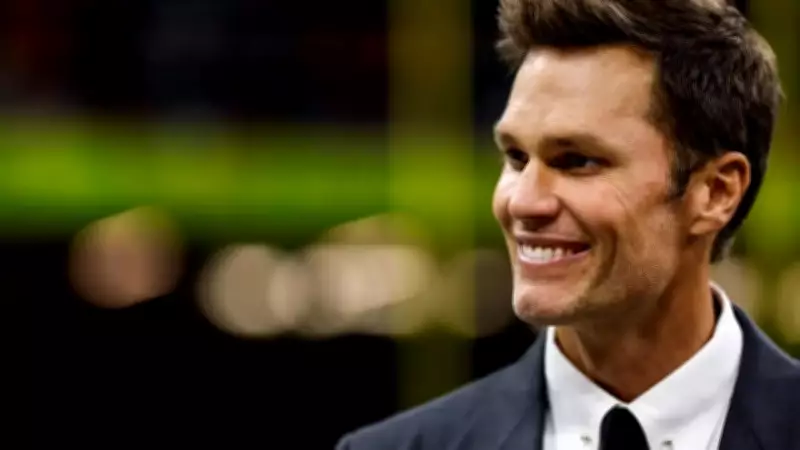
Tom Brady's Neutral Stance on Super Bowl 60 Creates Rift with Patriots Legends
As the New England Patriots prepare to face the Seattle Seahawks in Super Bowl 60, the absence of their legendary quarterback Tom Brady from the sidelines has created an unexpected controversy. Despite having a statue outside Gillette Stadium and six championship rings from his historic run with the franchise, Brady has publicly refused to declare support for his former team, opting instead for a neutral position that has drawn criticism from former teammates and sparked debate about what it truly means to be a "Patriot for life."
The Broadcast Neutrality vs. Locker Room Loyalty Divide
On his SiriusXM show "Let's Go!" with Jim Gray, Brady laid out his carefully measured stance when asked who he wanted to win Sunday's championship game. "I don't have a dog in this fight," Brady stated. "May the best team win. And in terms of the Patriots, this is a new chapter in New England, and I'm glad everyone's embraced the Mike Vrabel regime... We did it for 20 years. There was a little bit of a hiatus in there, but the Patriots are back, and it's a very exciting time for everyone in New England."
Brady further emphasized his broadcaster perspective, adding: "I just wanna see good football. I wanna see good plays, good throws, good strategy, good decisions." While this represents a safe, corporate answer appropriate for Fox's new lead analyst who also happens to be a minority owner of the Las Vegas Raiders, the response has been interpreted differently by various stakeholders in the Patriots community.

Former Teammates Offer Contrasting Perspectives
Rob Gronkowski, Brady's longtime tight end and close friend, attempted to frame the neutrality as evidence of Brady's enduring competitive spirit. Appearing on "Up & Adams" with Kay Adams, Gronkowski suggested: "I don't know. I'm not Tom. I haven't talked to him yet, since the Patriots were in the Super Bowl. Because he probably wants to be the quarterback. He's that competitive. He probably wants to be the guy in the Super Bowl right now."
This interpretation serves dual purposes: it protects Brady from accusations of disloyalty by attributing his stance to competitive wiring rather than diminished allegiance, while simultaneously reminding everyone that the quarterback still views himself as an active standard rather than a historical statue.
Gronkowski made his own position unequivocally clear: "I'm rooting for the Patriots," he declared enthusiastically. "What's great about the Patriots being in the Super Bowl is... it's bringing back just how dominant the Patriots are. And there's a lot of fans out there that are mad that the Patriots are back in the Super Bowl, which is great for us. Because that brings back [that] they're mad because of how many times we won."
Vince Wilfork's Blunt Criticism of Brady's Position
Former defensive tackle Vince Wilfork offered a dramatically different reaction during an appearance on WEEI, expressing what many Patriots fans have been thinking privately. "That's bull-crap, Tom. Come on now," Wilfork stated bluntly. "This ain't political, what it is. Raiders ain't in it. Say what it is. What, what do you see?... Man, look, at the end of the day, if you're a 'Patriot for life,' you know what it is."
Wilfork elaborated further with even stronger language: "Don't give me that political bullcrap. That's just what it is. If you don't think we're going to win, just pick Seattle then, right? Don't straddle the fence." For Wilfork, the concept of "Patriot for life" carries an unambiguous obligation to support the team unequivocally when they return to the sport's grandest stage, especially for someone whose statue stands as a permanent fixture outside the stadium.
The Complex Professional Considerations Behind Brady's Neutrality
Brady's middle-ground position stems from legitimate professional considerations that cannot be easily dismissed:

- As Fox's lead analyst for Super Bowl 60, he is expected to provide balanced commentary rather than partisan cheerleading
- His minority ownership stake in the Las Vegas Raiders creates potential conflicts within the AFC ecosystem
- Every public declaration of support now carries corporate implications across multiple business relationships
This professional reality creates genuine tension between Brady's historical identity as the face of the Patriots dynasty and his current role as a league-wide media personality and franchise investor.
The Broader Implications for Patriots Legacy and Identity
The contrasting positions of these three Patriots legends reveal deeper questions about franchise identity in the post-Brady era:
- How should legendary players navigate divided loyalties when their former teams succeed without them?
- What obligations do "Patriots for life" actually carry in practical terms?
- Can broadcast neutrality coexist with deep historical allegiance to a specific franchise?
Gronkowski has chosen to enthusiastically embrace the villain role that comes with renewed Patriots success, celebrating the frustration of opponents who are tired of seeing New England return to championship contention. Wilfork has positioned himself as the blunt voice of locker room purity, demanding unambiguous loyalty from those who built the dynasty. Brady, meanwhile, attempts to occupy the complex middle ground between his historic Patriots identity and his current professional responsibilities.
The Super Bowl as a Referendum on Legacy and Loyalty
As kickoff approaches for Super Bowl 60 at 6:30 p.m. ET on February 8, this debate has transformed championship week into something beyond mere football analysis. The Patriots' first Super Bowl appearance since Brady and Gronkowski actually played on the field represents both a new chapter under Mike Vrabel's leadership and an emotional connection to the historic dynasty that preceded it.
Regardless of whether New England secures a championship without their legendary quarterback or Seattle spoils the celebration, Brady's choice to remain neutral has already accomplished something no broadcaster could script: it has turned Super Bowl week into a live, public referendum on how far a sports legend can distance himself from his former team without alienating the community that helped build his legacy.
The tension between professional obligations and historical loyalties, between broadcast neutrality and locker room allegiance, between corporate positioning and emotional investment—all these dynamics are playing out in real time as New England prepares for its latest championship opportunity. The outcome on Sunday will determine who lifts the Lombardi Trophy, but the conversations sparked by Brady's neutrality have already revealed deeper truths about sports legacy, franchise identity, and the complex relationships between legends and the teams they helped create.