Bangladesh Defies ICC Ultimatum Over T20 World Cup Venue
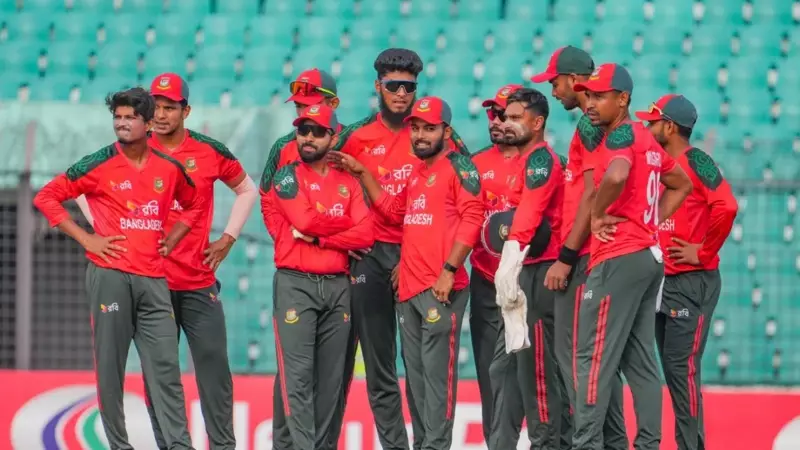
In a dramatic development that has sent shockwaves through the cricketing world, the Bangladesh government and cricket board have officially declared that their national team will not travel to India for the upcoming 2026 T20 World Cup. This announcement comes directly in response to an ultimatum issued by the International Cricket Council (ICC), creating an unprecedented standoff just months before the prestigious tournament.
Security Concerns at the Heart of the Controversy
During a high-level press conference on Thursday, Bangladesh Cricket Board (BCB) president Aminul Islam and Sports Advisor Asif Nazrul revealed that while their team desperately wants to compete in the World Cup, they cannot in good conscience send players, officials, journalists, or fans to India due to what they describe as genuine security risks. The officials emphasized that this decision stems from a specific incident involving Bangladesh pacer Mustafizur Rahman, who was reportedly asked to leave India by IPL franchise Kolkata Knight Riders following pressure from extremist elements.
"While our cricketers have worked tirelessly to qualify for the World Cup, the security risk regarding playing in India remains unchanged," stated Nazrul. "This concern is not based on abstract analysis. It comes from a very real incident in which the Indian board failed to provide security to one of our top players."

Diplomatic Tensions and Government Mandate
The Bangladesh officials directly linked their security concerns to the ongoing diplomatic tensions between the two neighboring nations. Nazrul explained that the government must prioritize citizen safety when determining whether to allow national representatives to travel abroad, particularly in volatile regional political situations.
"It is crucial to weigh the loss of not playing against the potential catastrophe of pushing players, fans, and journalists into a risky environment," he emphasized. "This is a government decision, as the state is responsible for determining whether its citizens face security risks abroad."
Bangladesh's Proposed Solution: Sri Lanka as Alternative Venue
Despite their refusal to travel to India, Bangladesh remains committed to participating in the tournament and has proposed a specific alternative: moving their matches to Sri Lanka. The BCB leadership expressed confidence that Sri Lanka could provide adequate security and facilities for their World Cup campaign.
"We are ready to play the World Cup but not in India—in Sri Lanka," declared Aminul Islam. "Our team is prepared and eager to compete. We expect the ICC to provide justice by considering our genuine security risks and allowing us to play in Sri Lanka."
ICC's Position and Bangladesh's Response
The ICC had previously issued Bangladesh an ultimatum to confirm their participation in India or face replacement by Scotland. According to ICC statements, multiple security assessments—including independent reviews—found no credible threats to Bangladesh players, media, officials, or fans at any Indian tournament venues.
Furthermore, the ICC Board expressed concern that making venue changes so close to the tournament, without substantiated security threats, could establish a dangerous precedent that might compromise future international cricket events. However, Bangladesh officials remain unconvinced by these assurances.
"A world organization can't do that," Aminul responded regarding the ICC ultimatum. "We'll keep fighting. If ICC fails to accommodate us, it will be a significant loss to world cricket and failure for the host country."
The Mustafizur Rahman Incident and Communication Breakdown
Central to Bangladesh's position is what they describe as inadequate response from cricket authorities regarding the Mustafizur Rahman situation. Nazrul claimed that neither the ICC nor Indian cricket officials properly addressed the incident or attempted meaningful dialogue with Bangladesh stakeholders.
"They didn't call the Mustafizur incident an isolated incident," Nazrul stated. "They didn't say sorry about it or even try to communicate with us. So there's no scope for changing our decision."

Tournament Implications and Future Prospects
With Bangladesh placed in Group C of the T20 World Cup, their potential withdrawal or venue change creates significant logistical challenges for tournament organizers. The BCB leadership expressed hope that a compromise could still be reached that would allow their talented squad—which has worked diligently to qualify—to compete on the world stage without compromising safety.
"We are still hopeful of justice from ICC," the officials reiterated, suggesting that while their position regarding India remains firm, they remain open to constructive solutions that address their security concerns while preserving their World Cup participation.
This unprecedented standoff between a national cricket board and the sport's global governing body highlights the complex intersection of international sports, diplomacy, and security considerations in today's geopolitical landscape. As the 2026 T20 World Cup approaches, all eyes remain on whether a resolution can be found that satisfies both Bangladesh's legitimate security concerns and the ICC's commitment to tournament integrity.