In a dramatic escalation of sporting tensions, the Bangladesh Cricket Board (BCB) has officially decided that its national team will not travel to India for the upcoming T20 World Cup. The board has formally requested the International Cricket Council (ICC) to relocate all of Bangladesh's matches to a venue outside India, with Sri Lanka emerging as the preferred alternative.
Security Concerns and IPL Snub Trigger Decision
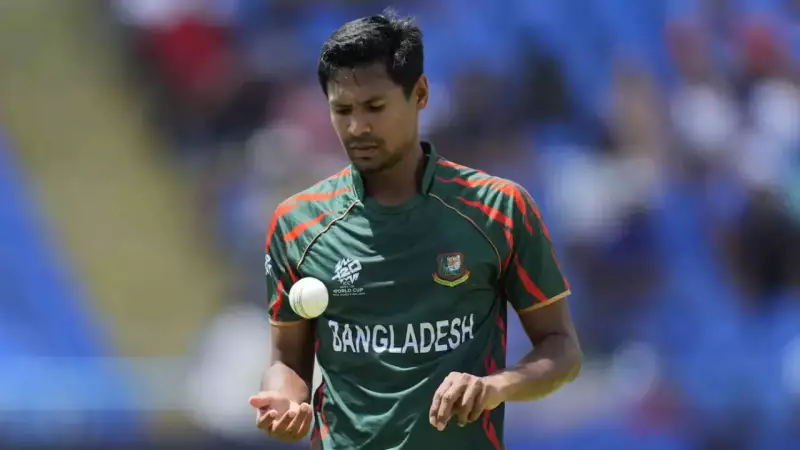
The BCB's decision, announced on Sunday, follows an emergency meeting and is framed as a move "to safeguard the safety and wellbeing" of its players and officials. While the board's official statement cited security concerns "under the current circumstances" and advice from Bangladesh's interim government, sources confirm the move is a direct retaliation for the exclusion of star pacer Mustafizur Rahman from the Indian Premier League (IPL).
On Saturday, the Board of Control for Cricket in India (BCCI) instructed the Kolkata Knight Riders (KKR) to release Mustafizur Rahman from their squad. BCCI secretary Devajit Saikia only stated the move was "due to recent developments," without providing specific reasons. This action sparked immediate outrage in Bangladesh, leading to high-level calls for a boycott.

Diplomatic Fallout and Logistical Nightmare
The BCB has now posed three major concerns before the ICC: Rahman's ouster from the IPL, the general security situation in India, and the precedent of decisions being taken against Bangladeshi players citing security. Bangladesh was scheduled to play all four of its league matches in Mumbai and Kolkata during the tournament, which runs from February 7 to March 8.
This decision throws the ICC's planning into disarray. With the tournament just a month away, relocating matches would be a logistical nightmare. The situation mirrors the pre-existing arrangement for Pakistan, whose matches have already been allocated to Sri Lanka due to persistent diplomatic tensions with India.
Bangladesh's sports and law adviser, Asif Nazrul, welcomed the BCB's move, calling it a response to the "radical communal policies of the Indian cricket board." He had earlier condemned Rahman's IPL exclusion and urged the BCB to act. The information and broadcasting adviser, Syeda Rizwana Hasan, also indicated that a review is underway regarding the legal basis for halting the broadcast of the IPL in Bangladesh.
Broader Implications for Future Cricket
The standoff threatens to severely damage bilateral cricket relations. The BCCI had already cancelled a white-ball tour to Bangladesh last year and is not committed to future tours without Indian government approval. A planned white-ball series in September this year is now in jeopardy.
If the BCB does not relent, the BCCI risks losing another ICC full member nation for bilateral cricket. This impasse could force the ICC to rejig its Future Tours Programme (FTP) and casts uncertainty over hosting multi-nation tournaments in the subcontinent, including the Commonwealth Games India is scheduled to host in 2030.
All eyes are now on ICC chairman Jay Shah, who, as former BCCI secretary, oversaw the arrangement where India and Pakistan do not tour each other. It remains to be seen if he will accede to Bangladesh's demands without a fresh security assessment of the Indian venues. Whether this dispute follows the path of the protracted India-Pakistan sporting stalemate will be clear in the coming days.