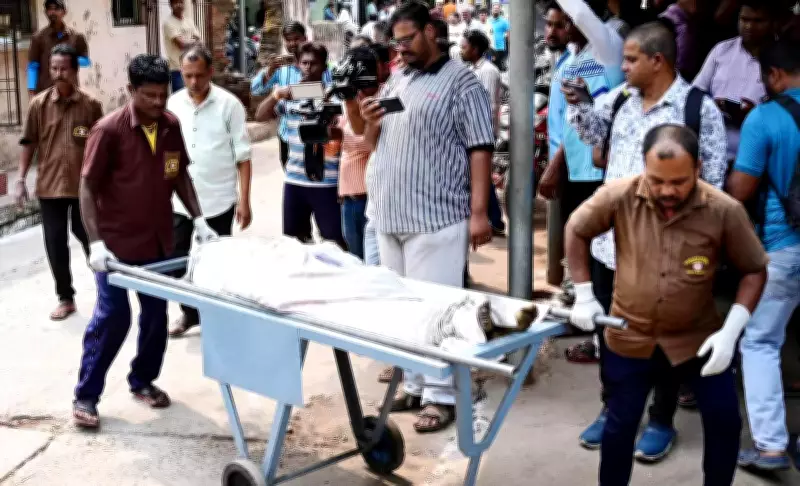
SCB Hospital Fire Probe: Alarm System Switched Off, Staff Ignored Initial Sparks
A devastating fire at the SCB Medical College and Hospital in Cuttack, which claimed the lives of 12 patients, was preceded by critical failures including a switched-off fire alarm system and hospital staff ignoring early warning signs, according to a probe report released on Tuesday. The blaze, which erupted in the early hours of Monday, transformed three floors of the government facility into an inferno within a mere four minutes, highlighting severe lapses in emergency preparedness.
Four-Minute Window Proves Fatal as Staff Delay Alerting Fire Services
The fact-finding team, led by development commissioner Deoranjan Kumar Singh, identified a crucial four-minute window between 2:50 am and 2:54 am as the deadly period when flames rapidly engulfed a one-room Intensive Care Unit (ICU). Of the 14 patients in the room, 12 succumbed to the fire, while 23 patients were evacuated, including seven from a second ICU in the same building. All 20 injured individuals admitted to hospitals are currently under close medical monitoring.
The investigation revealed that hospital staff did not take initial sparks from an overhead air-conditioner around 2:40 am seriously. Instead of immediately alerting the fire station, which is located inside the SCB campus barely 200 meters from the trauma building, a staff member on duty first informed hospital authorities, resulting in a loss of precious time. This delay proved catastrophic as the fire spread uncontrollably.

Fire Safety Systems Fail Miserably Despite Court Orders
In a shocking revelation, neither the fire alarm nor the sprinkler system, which should have activated automatically, functioned during the emergency. Sources involved in the inquiry stated that the alarm system was allegedly switched off, and they are investigating how this could have occurred. Harried staff attempted to douse the flames themselves using fire extinguishers, further wasting critical minutes.
"The alarm system was allegedly switched off and we will look into it as to how it could be the case," a source emphasized. This failure is particularly alarming given that following a 2024 Orissa High Court order on a Public Interest Litigation (PIL), SCB had installed fire-fighting systems on a war footing. "However, not a drop of water came from the sprinklers," another source lamented.
The court had even permitted tendering for fire-safety work in 33 buildings, despite the Model Code of Conduct being in force ahead of the 2024 elections, underscoring the urgency of the matter. Yet, these measures proved ineffective during the actual crisis.
Heroic Rescue Efforts Amidst Chaos and Systemic Negligence
Despite the systemic failures, hospital staff and some attendants displayed extraordinary courage by entering the smoke-filled ward to assist in shifting patients. Nursing officer Bibekananda Badajena, who rescued seven patients, described the meticulous process: "The first step was removing tubes and using Ambu bags (manual resuscitators) for ventilation during transfer." He noted that all ICU beds are equipped with Ambu bags, which provide life-saving manual ventilation when transporting ventilator-dependent patients.
Patients were then carried to the fire exit and taken down ramps using stretchers, with assistance from guards, attendants, and local residents. Officials confirmed that the fire was contained within 20-30 feet of the same room; had it spread further, casualties could have been significantly higher.
Government Response and Ongoing Investigations
In response to the tragedy, Chief Secretary Anu Garg reviewed fire readiness in hospitals with district collectors on Tuesday, directing them to ensure all compliance measures are completed within this year. She promised there would be no resource crunch to address what she termed a "legacy issue."

The fact-finding team inspected the trauma care unit on Monday, hours after Chief Minister Mohan Charan Majhi constituted a probe to determine the cause of the fire. Additionally, retired district judge Laxmidhar Biswal, who is heading a judicial inquiry commission, has visited the hospital and begun examining the sequence of events leading to the tragedy. These investigations aim to hold accountable those responsible and prevent such disasters in the future.