The 2026 NHL Season: A New Era of Physical Dominance
The 2026 NHL season has rapidly evolved into one of the most physically exhausting and demanding campaigns in recent hockey history. It is not merely about securing victories; players are now engaged in a fierce battle for supremacy through relentless body checking, aggressive open-ice hits, and constant pressure on opponents. This surge in violent play signals a profound shift in team strategies as they approach critical end-of-season matches, where playoff positions hang in the balance.
Physicality as a Strategic Weapon
Teams across the league are increasingly relying on players who can unleash raw force and havoc on their adversaries, transforming each game into a contest of survival and toughness. This high-intensity approach, while thrilling for many fans, carries significant risks. Injuries and controversial plays have become central themes, influencing the narrative of the season and sparking widespread discussion among analysts and supporters alike.
Notable Incidents and Record-Breaking Hits
Among the standout moments, Yakov Trenin has rewritten the record books with an unprecedented number of hits, establishing a new standard for physicality within his franchise and earning a place among the most formidable players in NHL history. His performances serve as a stark reminder of the growing importance of physical play in high-stakes competitions.

Another defining event occurred when Mark Kastelic delivered a powerful hit on Anthony Cirelli on open ice, resulting in injuries and igniting debates over the fine line between tough, clean plays and potentially dangerous actions. This incident underscored the delicate balance teams must strike between aggression and safety.
Controversy and League-Wide Impact
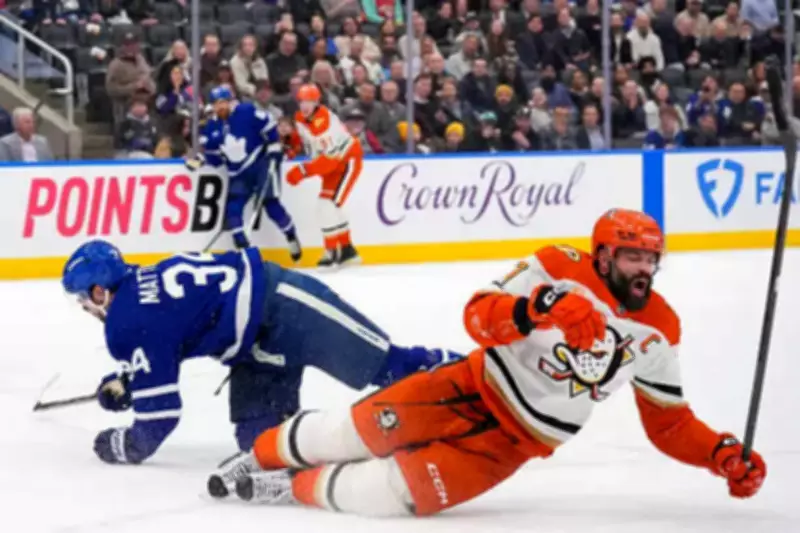
The physical trend extends beyond isolated cases, as evidenced by a controversial knee-on-knee collision between Radko Gudas and Auston Matthews. This event further fueled discussions on player discipline and safety, highlighting how aggressive on-ice actions can border on hazardous territories and prompting calls for league investigation.
Overall, the season has been characterized by nonstop high-action gameplay, with every shift becoming more physical. Players are consistently completing checks, blocking lanes, and assaulting opponents, marking a return to a classic, rougher brand of hockey that resonates with many spectators.
Injury Concerns and Playoff Implications
Concurrently, the increased severity of play has led to leaguewide injury issues, affecting even top-tier players. Teams are now meticulously managing workloads and rest periods to maintain competitiveness, making physical dominance and player safety two of the central storylines throughout the season.
As the playoffs approach, physicality is expected to intensify further. Teams that can effectively blend skill with controlled aggression are likely to gain a strategic advantage. The 2026 NHL season vividly demonstrates that while goals win games, physical presence can be a decisive factor in determining success, setting a new benchmark for toughness in professional hockey.