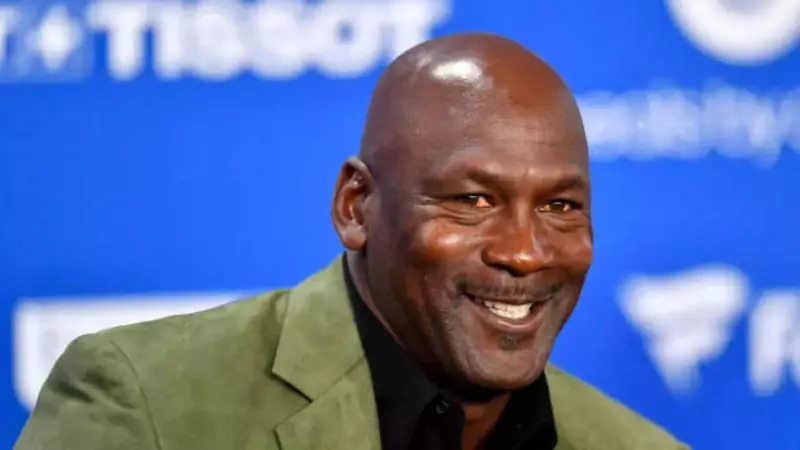
Michael Jordan's legacy on the basketball court is the stuff of legend, defined by six NBA championships and countless iconic moments. However, his true genius and lasting impact extend far beyond the hardwood, into the realm of business where he built an empire that continues to inspire athletes across all sports. His success was not a happy accident but the result of deliberate, forward-thinking decisions made early in his career.
From Player to Owner: The Mindset That Changed the Game
While today's NBA superstars earn enormous sums from brand endorsements, Michael Jordan revolutionized the playbook by thinking like an owner, not just a sponsored athlete. Rich Paul, the founder of Klutch Sports and agent to LeBron James, recently highlighted this distinction. On the podcast Game Over with Max Kellerman and Rich Paul, Paul explained that Jordan grasped a crucial concept many of his peers missed: real, enduring power comes from royalties and long-term ownership.
"He built the business and he owned a part of it," Paul stated in the interview. Instead of merely signing lucrative deals to promote products, Jordan focused on creating and owning assets that would outlive his playing days. This foundational shift in mindset allowed him to generate immense wealth decades after his retirement. The Air Jordan brand, which he owns, operates independently and does not rely on him actively playing basketball to drive its value.

The Power of Storytelling in Building a Brand
Another cornerstone of Jordan's financial triumph was his masterful use of narrative. His sneakers were never just athletic gear; they were vessels of meaning and connection. The original red, black, and white color scheme directly mirrored the identity of his team, the Chicago Bulls. Later, the introduction of Carolina blue paid homage to his collegiate roots at the University of North Carolina.
This strategic storytelling transformed customers into fans who were buying into a piece of Jordan's journey. They weren't just purchasing shoes; they were investing in a story that resonated with his legacy of excellence and determination.
A Timeless Model in a Modern Market
In the current NBA landscape, stars like LeBron James, Kevin Durant, Stephen Curry, and Luka Doncic command multi-million dollar sneaker partnerships with global giants. Yet, as Rich Paul asserts, Jordan's business model remains the gold standard.
Jordan's strategy did not hinge on constantly chasing new endorsement contracts. Instead, he established a self-sustaining brand that reinvigorates itself through periodic releases of new designs. Even after more than 40 signature shoe models, Air Jordans consistently sell out and maintain a dominant position in global sneaker culture.
The key differentiator is Jordan's long-term vision. He avoided the trap of quick, short-term payouts. Instead, he constructed an enterprise designed to grow and thrive indefinitely, without requiring his daily presence in the spotlight. This foresight is what cemented his status not only as a sports icon but as a pioneering business magnate whose empire continues to stand tall.