Patrick Mahomes' 2026 Return Timeline Faces Growing Concerns Amid Dual Knee Injury
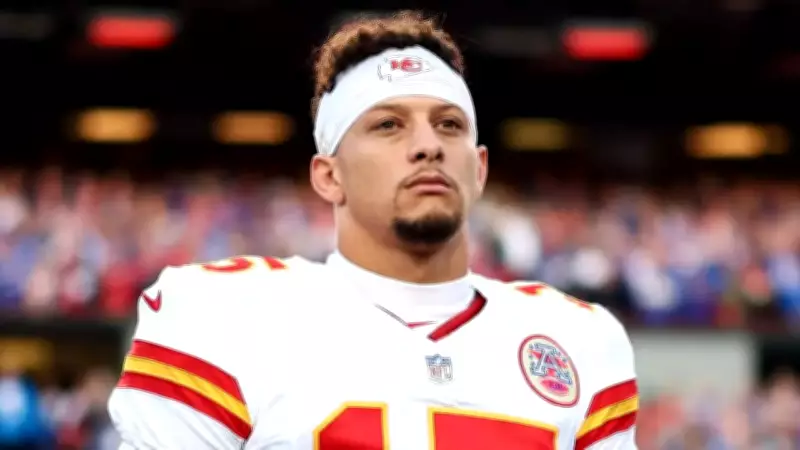
Concern is quietly building around star quarterback Patrick Mahomes, even as the Kansas City Chiefs organization continues to project public confidence about his recovery. The franchise cornerstone is targeting a return for Week 1 of the 2026 NFL season after undergoing complex surgery to repair both his anterior cruciate ligament (ACL) and lateral collateral ligament (LCL).
The Ambitious Recovery Timeline
On paper, this timeline appears achievable. In reality, medical experts emphasize that dual ligament injuries present far more complicated recovery challenges, and the associated risks are becoming increasingly difficult to ignore with each passing week of rehabilitation.
Mahomes has made his intentions unequivocally clear through public statements. "I want to be ready for Week 1," Mahomes declared earlier this year. "The doctors said I could... that's the goal, to play Week 1 and have no restrictions." His determination reflects his fiercely competitive nature and commitment to his team.

However, injuries of this magnitude rarely follow a perfect recovery script, particularly for a quarterback whose entire playing style relies heavily on dynamic movement, improvisation, and putting substantial stress on his lower body during plays.
Medical Complexities and Expert Caution
An isolated ACL injury typically sidelines professional athletes for approximately nine to twelve months. When combined with LCL damage, the recovery process becomes significantly less predictable and more challenging. Full restoration of knee stability, muscular strength, and psychological confidence all require substantial time and careful progression.
This medical reality explains why voices around the league are increasingly urging caution. Prominent NFL analyst Mike Florio articulated these concerns bluntly: "The later in the year that you suffer an ACL tear, the harder it is to be ready. You want to be damn sure that thing's healthy before he starts doing all those special things."
Those "special things" fundamentally define Patrick Mahomes' unique value as a quarterback. His extraordinary ability to escape defensive pressure, deliver accurate throws from unconventional body positions, and extend plays beyond their designed structure places exceptional biomechanical demands on his surgically repaired knee.
Chiefs' Strategic Preparations
Behind the scenes, Kansas City's front office appears to be preparing for multiple scenarios through calculated roster moves. The acquisition of quarterback Justin Fields provides the team with a credible alternative option should Mahomes not achieve full medical clearance by September.
Head coach Andy Reid explicitly confirmed this strategic thinking: "We brought him in to play quarterback if he's needed."
The roster adjustments extend beyond the quarterback position. The arrival of running back Kenneth Walker III signals a potential philosophical shift toward a stronger ground game. A more effective rushing attack could alleviate pressure during early season contests, potentially buying Mahomes additional recovery time before he faces the full demands of his position.
Long-Term Franchise Implications
For the Kansas City Chiefs organization, this decision transcends the 2026 season opener. The franchise faces a delicate balancing act between competitive urgency and protecting their generational talent. Rushing Mahomes' return might offer short-term competitive benefits but could carry severe long-term consequences for his career longevity and performance ceiling.
The impending decision is not merely medical—it represents a profound strategic crossroads that could define Kansas City's entire season trajectory and influence the franchise's championship window for years to come. Team officials must weigh immediate competitive needs against the preservation of their most valuable asset.