ISSF Rule Tweaks Disrupt Indian Shooters at Asian Championships
The International Shooting Sport Federation's (ISSF) latest modifications to the 50m 3P event have ignited significant discontent among Indian athletes and coaches during the Asian Shooting Championships in New Delhi. The changes, aimed at enhancing spectator appeal, have introduced operational challenges that many argue disadvantage the competitors.
Historical Context and Recent Success
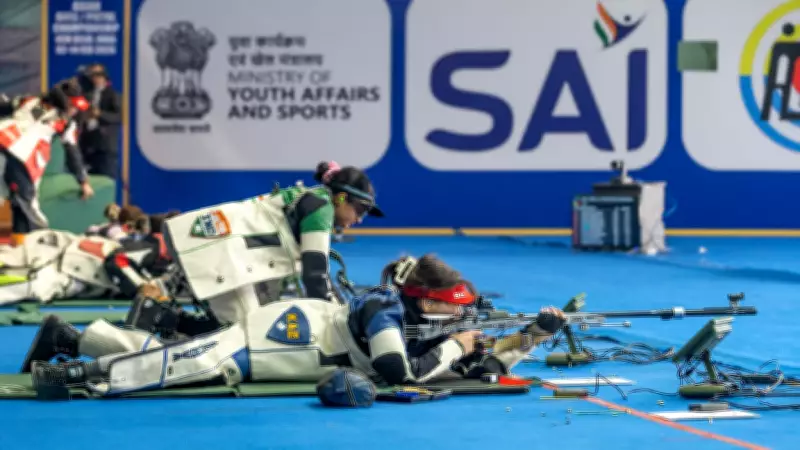
Traditionally dubbed the marathon of shooting, the 50m 3P event has undergone multiple transformations, initially featuring 120 shots before being reduced to 60. This discipline, contested across kneeling, prone, and standing positions, was not historically India's forte. However, recent years have seen a remarkable surge in performance, culminating in Swapnil Kusale's bronze medal at the Paris Olympics. At the ongoing Asian Championships, India's prowess was on full display as Aakriti Dahiya secured her first international medal with a silver, while veteran Anjum Moudgil claimed bronze in the same event.
Operational Hurdles and Athlete Experiences
The new format imposes a stringent 22-minute window for shooters to complete their kneeling shots, transition equipment, execute prone shots, and prepare for the standing section. This shift from a structured, timed changeover to a self-paced approach has led to unforeseen complications. Anjum Moudgil recounted a disorienting start to her competition, marking a first in her 18-year career. "I missed my sighters and started the match directly. That was the first time something like this happened in 18 years of shooting," she revealed. Despite the initial confusion, Moudgil managed to maintain high accuracy, with all her shots scoring tens or above.

The lack of synchronized pauses has resulted in logistical disruptions, as noted by ace shooter Aishwary Pratap Singh Tomar. "People are getting up, people are dropping things when you shoot..." he observed, highlighting how faster competitors moving equipment can create distractions through air or dust displacement for those still shooting. Tomar also critiqued the finals format, suggesting it reduces spectator engagement by eliminating periodic score checks.
Coaching Perspectives and Calls for Reform
India's national rifle coach, Deepali Deshpande, advocated for a shift in focus from frequent rule adjustments to better marketing of the sport's intricacies. "Rather than working on formats, the ISSF needs to present the sport better," she asserted, drawing parallels to cricket's use of technology to enhance viewer understanding. Deshpande emphasized that the core nature of shooting should be preserved and communicated effectively, rather than altered for superficial pacing improvements.
Adaptation and Future Outlook
Despite the frustrations, seasoned athletes like Moudgil are acclimating to the changes. "For us older athletes, we've seen the sport change its rules often. We are used to the new changes made and it will take a few more training sessions," she remarked, reflecting a pragmatic approach to adaptation. As the men's 50m 3P event approaches, shooters like Tomar are preparing to navigate these revised protocols, underscoring the ongoing dialogue between regulatory bodies and competitors in the pursuit of a balanced and fair sporting environment.