India's Blind Cricket Champions Overcome Adversity to Achieve Global Glory
India's blind cricketers are scripting remarkable success stories on the international stage, securing multiple World Cup victories, yet they remain largely unseen and unsung heroes in their own country. A deep dive by Lakumalla Sainath reveals that despite their achievements, these athletes face persistent challenges, including inadequate training facilities, financial insecurity, and a lack of long-term support from the sporting ecosystem.
World Cup Triumphs Fail to Translate into Lasting Change
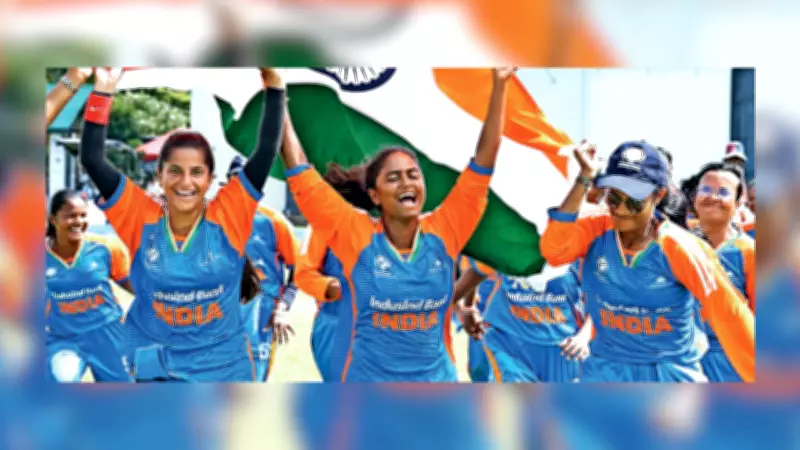
Four months after the Indian women's blind cricket team clinched the inaugural T20 Women's World Cup, the initial applause has faded, leaving the players' lives largely unchanged. For many blind cricketers, who often come from economically weaker backgrounds, victories bring only temporary relief through government rewards. They continue to grapple with poor infrastructure and an ecosystem that offers little sustained backing. This reality underscores that while success has garnered some recognition, structural reforms, financial stability, and institutional support remain elusive.
Financial Insecurity Plagues Players Across Genders
The struggle for financial security is a common thread in both men's and women's blind cricket. Former India captain Ajay Kumar Reddy, who led the team to three World Cup titles—a hat-trick across formats—and received the Arjuna Award in 2023, remains relatively unknown outside blind cricket circles. Hailing from Macherla in Andhra Pradesh, Ajay played over 100 matches, scoring 15 centuries and 35 half-centuries while taking more than 200 wickets in a decade-long career. Despite retiring in February 2023, he notes that players' lives have not improved proportionally to their achievements, with incomes remaining meager.

Stark Contrast to Mainstream Cricket
Blind cricketers receive a mere ₹3,000 per head for international matches and ₹1,000 for domestic tournaments, a pittance compared to the earnings of mainstream cricketers under the Board of Control for Cricket in India (BCCI). Additionally, there is no pension system for retired blind cricketers. Although BCCI has introduced equal match fees for its men's and women's players, blind cricket, operating outside its direct structure, lacks similar backing, leaving athletes to rebuild their lives post-retirement.
Women's Champions Await Meaningful Transformation
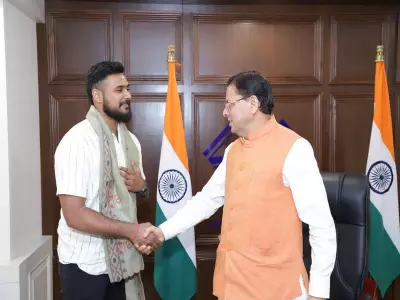
The women's team, despite becoming world champions by defeating Nepal in the 2025 final in Colombo and remaining unbeaten throughout the tournament, faces identical issues. Captain Deepika TC, a B3 player from Andhra Pradesh, acknowledges that the World Cup victory brought her family respect and helped clear her father's debt, but long-term financial stability remains a pressing concern. Teammate Simranjeet Kaur from Kota highlights that Rajasthan's government has not provided any rewards or support, despite her efforts to seek assistance.
Inadequate Infrastructure and Training Challenges
Blind cricket suffers from a lack of structured domestic calendars and consistent training facilities. Deepika reveals that players typically get only about 15 days of practice before matches, and many, like P Karuna Kumari, rely on local school grounds for training. The women's circuit is limited to T20 tournaments like the Nagesh Trophy, with ODI formats yet to be introduced. Travel and accommodation costs further complicate balancing cricket with work, as seen with Deepika's job in Mumbai and hopes for a closer posting.
Call for Recognition Beyond Sympathy
Men's team coach Md Ibrahim emphasizes that one of the biggest barriers is perception, with people often watching blind cricket out of sympathy rather than as a sport. He points out that in countries like Australia, England, and Pakistan, blind cricket operates under their respective boards, providing players with structured support and contracts. Cricket Association for the Blind in India (CABI) chief Mahantesh GK acknowledges the challenge of ensuring long-term financial security, noting that organizing tournaments and supporting players often depends on independent fundraising.

Steps Toward Integration and Future Prospects
Players advocate for bringing CABI under the BCCI umbrella to access regular fees, pensions, and better infrastructure. In February 2026, BCCI announced a "structured support" framework for CABI, including travel support for overseas matches and access to affiliated stadiums, which players describe as a first step. However, CABI officials maintain that the body will continue to function independently, with ongoing support aimed at strengthening logistics. Exhibition matches during major tournaments like the IPL or WPL are suggested to increase visibility and foster growth in the sport.