Massachusetts Town Stands Firm on $8 Million World Cup Security Demand
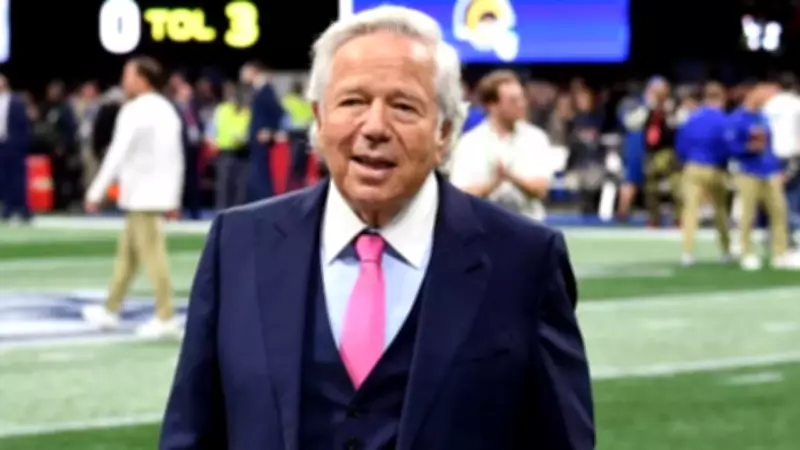
With the FIFA World Cup just over 100 days away, a significant financial dispute is escalating in Foxborough, Massachusetts, involving stadium owner Robert Kraft. The small town of approximately 18,000 residents has officially refused to grant the necessary license for World Cup matches at Gillette Stadium unless a party steps forward to cover a substantial $8 million security bill.
Stadium Hosting Plans and Financial Stalemate
The iconic Gillette Stadium, home to the NFL's New England Patriots, is scheduled to host seven crucial World Cup matches beginning June 13, including important knockout stage games. However, local officials have drawn a firm line, stating they cannot jeopardize the town's financial stability to facilitate the global soccer event.
The core issue revolves around FIFA's standard host city agreement, which mandates that municipalities cover all police, public safety, and security expenses. During the regular NFL season, the Kraft Group assumes these operational costs. For the World Cup period, the stadium will be leased to FIFA, transferring the financial responsibility entirely.

The five-member Foxborough Select Board has established a critical deadline of March 17 for license approval. Without concrete financial guarantees, officials have warned that the stadium doors might remain closed for the tournament.
Local Perspectives on the Security Burden
Foxborough Select Board Vice Chairman Bill Yunka provided context to local media outlet WCVB, describing the World Cup hosting requirements as equivalent to "an NFL game on steroids" and comparable to organizing "39 Super Bowls." FIFA mandates continuous stadium security throughout all 39 days of the tournament, not merely on match days, significantly inflating projected costs.
Terri Lawton, proprietor of Oake Knoll Family Farm located near the stadium, expressed community concerns to The U.S. Sun about potential financial exposure. "I think the select board is doing a great job trying to protect residents," Lawton stated. "We're a very small town. We don't have 8 million dollars to front, and even if we did, we shouldn't."
Lawton elaborated that distributing the security cost across Foxborough's 18,000 residents would severely impact essential municipal services. "We wouldn't be able to pay teachers, police, or firefighters. This isn't emotional. It's business." She specifically pointed to Robert Kraft, whose wealth exceeds $13 billion, suggesting "If they want this to happen, the Kraft Group can simply write a check."
Funding Complications and Revenue Disparities
While Boston received a $46 million allocation from a federal funding initiative intended for World Cup preparations, bureaucratic delays and federal shutdowns have obstructed timely disbursement through FEMA. Yunka noted that the Kraft Group has expressed willingness to advance funds matching the anticipated grant amount, yet this still leaves a multimillion-dollar financial gap unresolved.
Compounding the tension is Foxborough's revenue arrangement under the stadium lease signed in 2000. The town receives merely 67 cents per ticket sold, a figure that has remained static despite substantial increases in ticket pricing over the years. Meanwhile, FIFA retains the majority of revenue generated from tickets, broadcasting rights, sponsorships, and parking.
Host cities like Foxborough bear the financial burden for security, transportation infrastructure, and protection details for officials, including FIFA President Gianni Infantino. As the World Cup approaches rapidly, Foxborough leaders emphasize they are not opposed to soccer itself but are fundamentally unwilling to gamble the town's economic future on the prestigious tournament.