Candidates Chess Tournament's Time Control Sparks Debate Over Gender Disparity
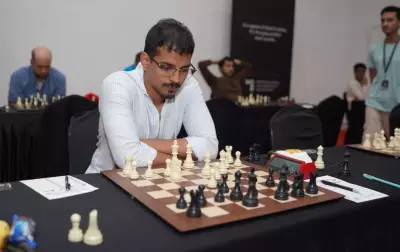
The Candidates chess tournament, which commenced in Cyprus on Sunday, has implemented a unique time control system aimed at preventing men from losing on time, but only after the 41st move. Until that point, male players may face significant pressure as the tournament organizers have chosen not to follow the principle established by legendary chess player Bobby Fischer. This decision is intended to generate excitement through potential time scrambles in the early stages of the game.
Contrasting Time Controls for Men and Women
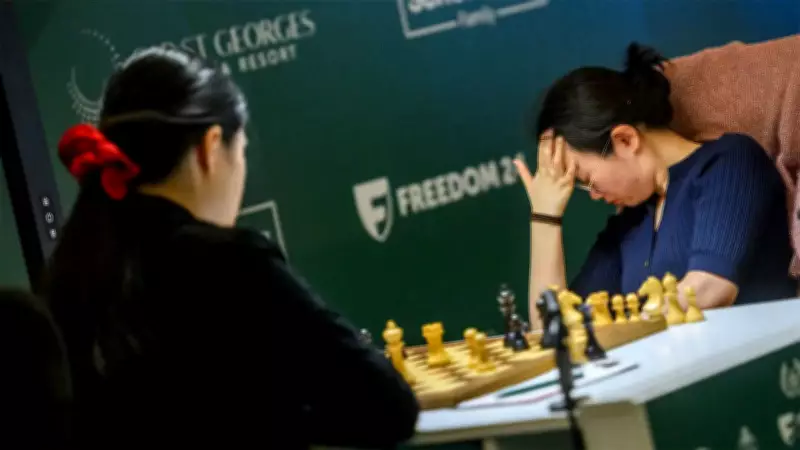
In contrast, the women's candidates tournament, held concurrently in the same hall, features a different approach. Female players receive an increment of 30 seconds from the very first move. However, they are allocated only 90 minutes for the first 40 moves, while their male counterparts are granted 120 minutes for the same number of moves. This disparity has raised questions about fairness and consistency in the tournament's structure.
Expert Opinions on the Time Control Experiment
Grandmaster Swapnil Dhopade, a renowned chess trainer from India, commented on the rationale behind this setup. He stated, "They want to create some excitement. Especially when players are reaching move 40 and there is no increment of the clock. If one player is under time pressure then it is exciting to see whether the player completes 40 moves in a few seconds remaining without blundering anything. The time control in the open is an experiment to make chess more and more exciting!"

It is noteworthy that a similar variation in time control between men and women was also observed during the 2024 Candidates tournament, indicating a pattern in FIDE's approach.
The Legacy of Bobby Fischer and Time Control Principles
Bobby Fischer, a chess icon, invented a version of the digital clock that introduced the concept of increment per move. His idea was designed to ensure that a player in a superior position on the board would not be unfairly punished with a loss solely due to time pressure, unless they continued to play suboptimal moves. The principle of "lost on time" assumes that a player in a better position might make moves that favor their opponent to their own detriment. However, this principle does not apply if the opponent has no pawns or winning material remaining on the board; in such cases, the game results in a draw when the clock reaches zero.
Criticism from Chess Authorities
International Master, author, and trainer V Saravanan expressed his views on the differing time controls, stating, "Different time control for different sections is indeed strange. FIDE might have done it after consultation with the participants. If not, it is a strange setup."
Seven-time national champion Praveen Thipsay was more direct in his criticism, labeling the decision as ridiculous. When it was argued that, in practical terms, men receive 10 minutes more (120 minutes) than women's total of 110 minutes (including increment) for the first 40 moves, Thipsay disagreed. He emphasized, "Increment can't be compared with time on hand," while also acknowledging that women face a lack of time in their matches.
This ongoing debate highlights the complexities and controversies surrounding time control in professional chess, as organizers strive to balance excitement with fairness in the sport.