Braves-Cubs Trade Speculation Gains Momentum
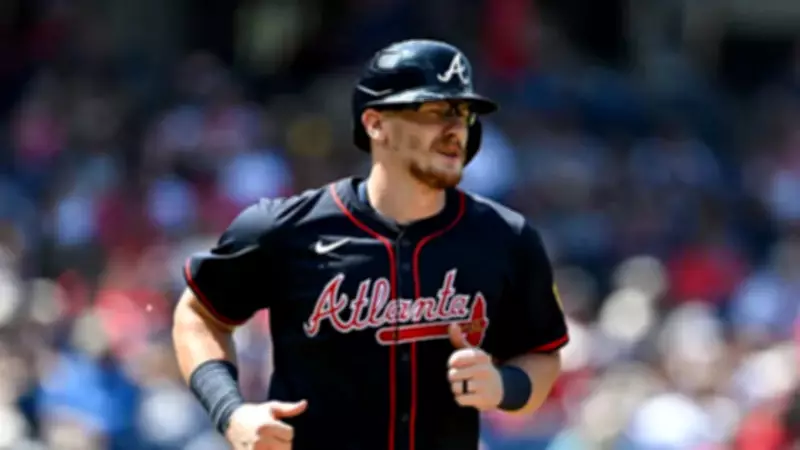
As the MLB offseason continues to unfold, an intriguing trade scenario has emerged that could reshape the fortunes of two National League contenders. The proposed deal would see the Atlanta Braves and Chicago Cubs engage in a significant player exchange, with versatile infielder Nico Hoerner heading to Atlanta while hard-throwing reliever Robert Suarez moves to Chicago.
The Proposed Trade Framework
While this remains speculative rather than an official offer, the structure aligns perfectly with both teams' current needs. The Braves would be converting their bullpen depth into everyday infield stability, while the Cubs would be transforming their infield depth into a reliable ninth-inning solution. What makes this potential trade particularly compelling is that both players are in their prime years and under multi-year team control, making this more than just a short-term gamble.
The core of this proposed one-for-one blockbuster is remarkably straightforward:

- Atlanta Braves would receive: Nico Hoerner (SS/2B, under team control through at least 2027 with club options beyond that)
- Chicago Cubs would receive: Robert Suarez (RHP, currently on a three-year, $45 million contract running through 2028)
This exchange represents a classic baseball trade philosophy: each team addresses a specific weakness by leveraging an area of strength. Atlanta would be parting with a premium reliever to secure an everyday middle infielder capable of handling multiple positions, while Chicago would sacrifice a valuable position player to lock down the back end of their bullpen for several seasons.
Why Hoerner Makes Strategic Sense for Atlanta
The Braves' middle infield plans underwent a significant shift when Ha-Seong Kim suffered a torn tendon in his right middle finger, an injury that could sideline him for four to five months. Even with Dansby Swanson on the roster, this development creates a genuine gap at either shortstop or second base that needs immediate addressing.
Nico Hoerner presents an ideal plug-in solution for Atlanta's infield dilemma. Throughout his career, he has accumulated more than 1,000 innings at shortstop and nearly 800 innings at second base, providing the Braves with exceptional defensive flexibility without compromising defensive quality. Offensively, he offers a contrasting approach to Atlanta's typically power-heavy lineup.
During the 2025 season, Hoerner demonstrated his value by playing 156 games while posting impressive statistics:
- Batting average: .297
- On-base percentage: .355
- Stolen bases: 31
- Runs scored: 86
- Plate appearances: 649
While not a traditional power hitter (he hit just 7 home runs in 2025), Hoerner excels at putting the ball in play, applying pressure on defenses, and utilizing his speed effectively. This profile complements Atlanta's existing core of hitters like Ronald Acuña Jr., Matt Olson, and Austin Riley perfectly, lengthening the top of the order with contact skills, speed, and reliable defense rather than adding more swing-and-miss power.
How Suarez Solves Chicago's Bullpen Concerns
The Chicago Cubs' most pressing roster uncertainty revolves around the ninth inning. While a closer-by-committee approach has worked in stretches, the team lacks a single trusted finisher to consistently secure victories in close games.
Robert Suarez brings exactly that capability with recent performance to back it up. In 2025, he recorded 40 saves with a 2.97 ERA and a remarkable 0.90 WHIP over 63.2 innings pitched. Across the 2024 and 2025 seasons combined, he accumulated 76 saves, more than any other pitcher during that period. His combination of velocity, strikeout ability, and control makes him ideally suited for high-leverage situations.
Suarez's 2025 statistical profile reveals his dominance:

- Strikeouts: 77
- Strikeout rate (K/9): 10.9
- Walks per 9 innings: 2.1
- Innings pitched: 63.2
At 29 years old and under contract through 2028, Suarez would provide Chicago with both immediate stability and multi-year certainty at the back of their bullpen, addressing what has been a persistent concern for the franchise.
Player Comparison: Age, Control, and Playing Styles
The proposed trade involves players with remarkably similar career stages and team control situations:
Nico Hoerner Profile:
- Age: 28
- Positions: Shortstop and second base
- Team control: Through at least 2027, with club options beyond
- Playing style: Contact hitter with strong on-base skills, plus defender, impactful baserunner
Robert Suarez Profile:
- Age: 29
- Position: Late-inning reliever/closer
- Contract: Three years, $45 million, fully guaranteed
- Playing style: Power fastball, swing-and-miss slider, high strikeout rate, low walk rate
Neither team would be trading a rental player in this scenario. Both would be exchanging core-age athletes with several years of team control remaining, making this a potential long-term strategic move rather than a short-term fix.
Strategic Analysis: Gains and Losses for Each Franchise
Atlanta Braves' Perspective:
Potential Gains:
- A versatile everyday infielder capable of covering both shortstop and second base positions
- A contact and speed threat who could slot near the top of the batting order
- Defensive stability in the middle infield during Kim's extended absence
Potential Losses:
- A high-end reliever who could anchor late innings or potentially be moved later for other needs
The Braves could potentially soften this loss because they still possess established relief options, including closer Raisel Iglesias, providing them with bullpen depth even after trading Suarez.
Chicago Cubs' Perspective:
Potential Gains:
- A proven closer who immediately settles the ninth inning question
- Long-term control of a high-leverage arm through the 2028 season
- A valuable bullpen piece that could also be moved later if circumstances change
Potential Losses:
- A reliable, controllable middle infielder with multi-position capability
The Cubs could potentially offset this loss by pointing to internal options such as James Triantos and other depth pieces within their organization that could help cover second base if Hoerner is traded.
Advantages and Risks Assessment
Pros for Atlanta Braves:
- Addresses the infield hole created by Kim's injury without resorting to a temporary stopgap solution
- Adds a high-contact bat that complements the existing power-heavy core
- Improves defensive flexibility up the middle with a proven multi-position player
Cons for Atlanta Braves:
- Removes a premium bullpen arm from their pitching staff
- Could create potential crowding later if Kim returns healthy and all infielders are available
Pros for Chicago Cubs:
- Transforms a bullpen question mark into a definitive strength
- Secures a reliable closer for multiple seasons rather than just one championship run
- Creates flexibility to reshape their infield mix with emerging talent
Cons for Chicago Cubs:
- Surrenders a multi-position everyday player with consistent production
- Assumes the added injury risk that always accompanies pitchers, particularly relievers
Which Team Would Benefit More?
While this proposed trade appears remarkably balanced on paper, the edge might tilt slightly toward the Atlanta Braves. They would be converting excess relief value into an everyday, two-way infielder at precisely the moment when they have a clear positional need created by injury. The Braves' ability to address a pressing infield concern while leveraging their bullpen depth represents smart roster management.
For the Chicago Cubs, the trade makes strong strategic sense if they are confident that their in-house infield options can replace most of Hoerner's production. However, if those internal solutions prove inadequate, the opportunity cost becomes significantly heavier on Chicago's side of the equation.
This trade speculation works conceptually because it targets specific weaknesses rather than chasing star power for its own sake. Atlanta would shore up the middle of their diamond during an injury window, while Chicago would lock down the final three outs of close games—a perennial concern for contending teams.
If this rumor ever transitions from speculation to reality, it would represent a classic win-now exchange: an everyday infielder for a shutdown closer, with each player filling a gap that the other team cannot easily solve internally. Such trades often define successful franchises and can significantly impact postseason aspirations for both organizations involved.