In the high-stakes world of Major League Baseball, a single trade can alter the destiny of a franchise for generations. While free agency and drafts grab headlines, it is often the blockbuster player swaps that leave the most indelible mark on the sport's rich tapestry. These deals can transform contenders into champions or condemn teams to decades of despair, creating legends and cautionary tales that fans debate for years.
Here, we delve into five of the most significant trades in MLB history, moves that brought iconic stars to new cities, shifted competitive balances, and helped shape the modern game. These selections are grounded in expert analysis and historical impact, showcasing moments where front-office decisions echoed through time.
The Deal That Created a Dynasty: Babe Ruth's Move to New York
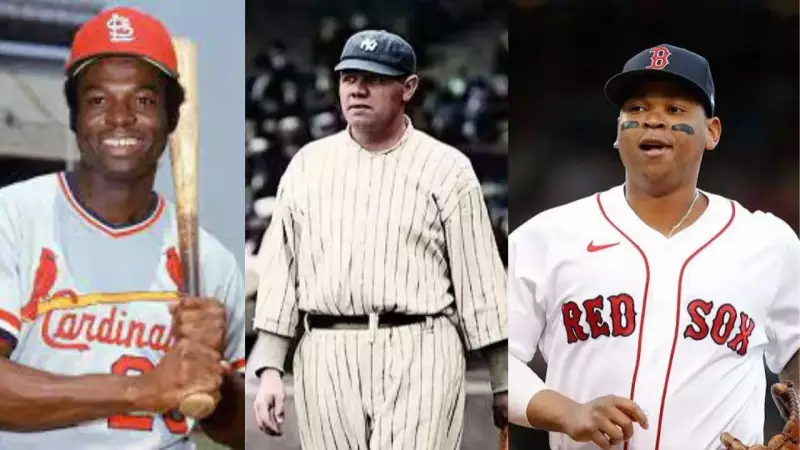
The most famous transaction in baseball history occurred in 1919, when the Boston Red Sox sold the legendary Babe Ruth to the New York Yankees for $100,000. Initially viewed by Boston as a straightforward financial decision, the trade soon became known as the "Curse of the Bambino." Ruth evolved from a talented pitcher into the sport's most fearsome slugger, smashing home run records and propelling the Yankees to four World Series titles.

In a stark contrast, the Red Sox entered an 86-year championship drought, unable to claim another World Series crown until 2004. This single deal not only built a Yankee dynasty but also forged one of sports' most enduring narratives about luck and loss.
Pitching Legends and Lopsided Swaps
Not all historic trades involve hitters. In 1987, the Detroit Tigers sent a young, relatively unknown pitcher named John Smoltz to the Atlanta Braves for veteran Doyle Alexander. While Alexander helped Detroit briefly, Smoltz blossomed into a Hall of Famer. He became a cornerstone of the Braves' dominant pitching staff, winning over 200 games, earning a Cy Young Award, and even excelling as a closer, leading Atlanta to multiple playoffs and a 1995 World Series victory.
Similarly, the 1964 mid-season trade that sent Lou Brock from the Chicago Cubs to the St. Louis Cardinals is remembered for its one-sided outcome. Brock became a Hall of Fame speedster, stealing nearly 1,000 bases and being instrumental in the Cardinals' World Series wins that same year and later in 1967. The Cubs received pitcher Ernie Broglio, whose contributions paled in comparison, making this a stark lesson in talent evaluation.
The Modern Era's Defining Trades
Even recent history has its share of franchise-altering moves. In 1990, the Boston Red Sox traded reliever Larry Andersen to the Houston Astros for a minor-league prospect named Jeff Bagwell. Bagwell exploded into a superstar for the Astros, hitting over 400 home runs and securing a place in Cooperstown. Andersen's stint in Boston was short-lived, cementing this trade as one of the most lopsided in modern memory.
The latest seismic shift occurred very recently, on June 15, 2025. The Boston Red Sox traded their three-time All-Star and elite slugger, Rafael Devers, to the San Francisco Giants. In return, Boston acquired pitchers Jordan Hicks and Kyle Harrison along with prospects James Tibbs III and Jose Bello. This massive deal immediately reshaped the landscape of the 2025 MLB season and is poised to be analyzed for years to come, potentially joining the list of era-defining transactions.
These five trades demonstrate the immense power a single agreement can hold. They are reminders that in baseball, tomorrow's legacy is often built on today's difficult decisions, forever linking players, teams, and fans in a shared historical journey.