West Bengal Assembly Elections 2026: A Pivotal Shift in Political Dynamics
The political landscape of West Bengal has undergone a significant transformation as the state gears up for the 2026 Assembly Elections. Traditionally, issues such as anti-incumbency and corruption have dominated electoral discourse, but recent developments have recast the polls into a fierce battle over identity.
The Impact of SIR Deletions on the Electorate
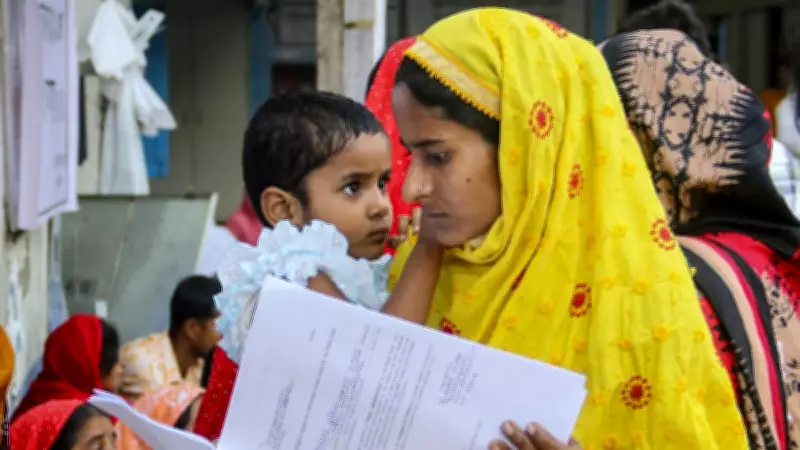
A key factor driving this change is the Special Intensive Revision (SIR) process, which has led to substantial deletions from the voter rolls. According to reports, the electorate has been reduced by nearly 12 per cent due to these deletions. This dramatic reduction has altered the demographic composition of voters, shifting the focus away from conventional political issues.
The mood among political parties and voters has changed dramatically following the SIR deletions. With a smaller and potentially more polarized electorate, campaigns are increasingly emphasizing identity-based appeals rather than addressing governance concerns like corruption or anti-incumbency.

From Governance to Identity: The New Electoral Battlefield
In previous elections, anti-incumbency sentiments and allegations of corruption often took center stage, influencing voter behavior and party strategies. However, the 2026 polls are witnessing a notable departure from this trend. Political analysts observe that the SIR deletions have created an environment where identity politics—centered on factors such as religion, ethnicity, and regional loyalty—has become the primary battleground.
This shift raises important questions about the future of democratic discourse in West Bengal. As parties recalibrate their messaging to resonate with identity-based voter blocs, issues related to economic development, healthcare, and infrastructure may receive less attention.
Implications for Voter Engagement and Political Outcomes
The recasting of the elections as an identity battle has several implications:
- Voter Mobilization: Parties are likely to focus on consolidating support within specific identity groups, potentially leading to heightened polarization.
- Campaign Strategies: Traditional issues like anti-incumbency and corruption are taking a back seat, with rhetoric centered on cultural and social identities gaining prominence.
- Electoral Outcomes: The reduced electorate and emphasis on identity could result in unexpected shifts in vote shares and seat distributions, making the polls highly unpredictable.
As the election date approaches, it remains to be seen how this focus on identity politics will impact voter turnout and the overall democratic process. The SIR deletions have undoubtedly set the stage for a contentious and closely watched electoral contest in West Bengal.