West Bengal Assembly Elections 2026: How Voter Deletions and Narrow Margins Could Determine Government Formation
As the West Bengal Assembly Elections of 2026 approach, political analysts are closely monitoring two critical factors that could decisively influence which party forms the government: razor-thin electoral margins and the large-scale deletion of names from voter lists. Recent data reveals a significant reduction in the electorate, raising questions about its potential impact on the democratic process.
Massive Voter Deletions Across West Bengal
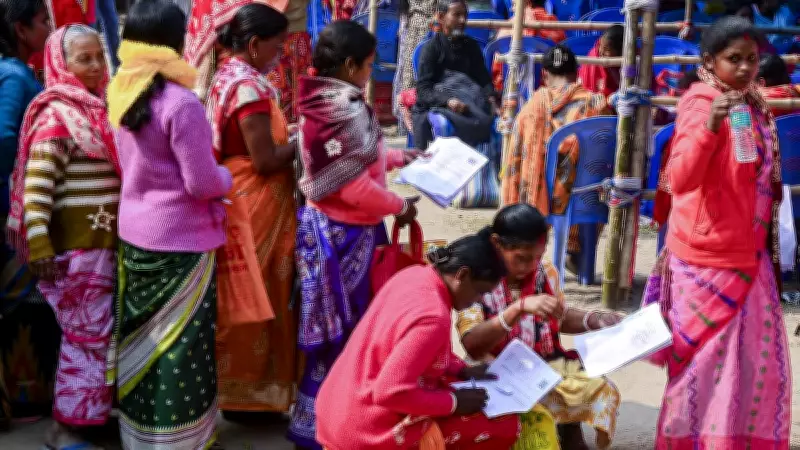
According to official reports, more than 90.83 lakh names have been deleted from voter lists across West Bengal as of April 7, 2026. This staggering figure represents nearly 11.85% of the electorate that was identified in October of the previous year. The deletions, often referred to as SIR deletions, are part of routine electoral roll updates but have reached an unprecedented scale in this election cycle.
The scale of these deletions is particularly noteworthy in a state known for its highly competitive and closely fought elections. With West Bengal's political landscape characterized by intense rivalries and shifting alliances, even minor changes in voter demographics can have far-reaching consequences.

Impact on Razor-Thin Electoral Margins
West Bengal has a history of elections being decided by extremely narrow margins in many constituencies. In previous assembly elections, numerous seats were won or lost by just a few hundred votes, making every voter crucial. The deletion of over 90 lakh names could potentially alter the outcome in such tightly contested areas.
Political observers suggest that these deletions might disproportionately affect certain demographic groups or geographic regions, potentially creating advantages or disadvantages for different political parties. The timing of these deletions, coming just before the election year, adds to the uncertainty surrounding their impact.
Factors Behind the Voter List Revisions
The Election Commission of India routinely conducts Special Summary Revisions to clean up voter lists by removing duplicate entries, deceased voters, and those who have relocated. However, the magnitude of deletions in West Bengal has sparked discussions about:
- The accuracy of previous voter identification efforts
- Potential administrative challenges in maintaining updated records
- The need for greater transparency in the deletion process
- Measures to ensure eligible voters are not inadvertently removed
Political Implications for 2026 Elections
With the 2026 elections expected to be another fiercely contested battle, both ruling and opposition parties are likely to scrutinize these voter deletions carefully. The reduced electorate could mean:
- Changed voter turnout calculations and campaign strategies
- Altered demographic compositions in key constituencies
- Increased importance of mobilizing remaining eligible voters
- Potential legal challenges regarding voter eligibility
The combination of massive voter deletions and West Bengal's tradition of close electoral contests creates a volatile scenario where even small shifts could determine which party secures the majority needed to form the government. As political parties finalize their strategies for 2026, understanding and responding to these electoral changes will be crucial for success.
With nearly one in eight previously identified voters now removed from the rolls, the West Bengal Assembly Elections of 2026 are poised to be influenced by factors beyond traditional campaigning and policy promises. How political parties adapt to this changed electoral landscape may well decide who ultimately forms the next government in this politically significant Indian state.