West Bengal 2026 Elections: How the SIR Revision Shook the State's Political Foundations
The political landscape of West Bengal has been plunged into turmoil as a comprehensive revision of the Summary Revision of the Electoral Roll (SIR) process has triggered widespread upheaval ahead of the crucial 2026 Assembly elections. This sweeping administrative overhaul has not only led to mass deletions from the voter list but has also ignited fierce political battles, casting a shadow of uncertainty over the state's democratic exercise.
The Genesis of the Crisis: A Sweeping SIR Overhaul
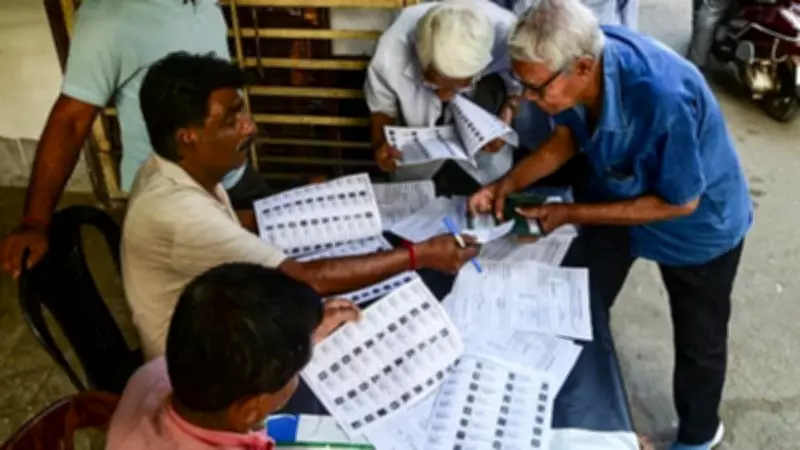
In the months leading up to the 2026 polls, election authorities in West Bengal initiated an extensive revision of the electoral rolls under the SIR framework. This process, intended to clean up the voter list by removing duplicate, deceased, or ineligible entries, has instead become a focal point of intense controversy. The scale of the revision has been unprecedented, with reports indicating that hundreds of thousands of names have been struck off the list across various constituencies.
The mass deletions have sparked allegations of political manipulation from multiple quarters. Opposition parties have accused the ruling establishment of using the SIR process to disenfranchise voters sympathetic to their rivals, while the government has defended the move as a necessary step to ensure the integrity of the electoral roll. This clash has escalated into a full-blown political war, with street protests, legal challenges, and heated debates dominating the public discourse.

Political Fallout and Rising Uncertainty
The fallout from the SIR revision has been profound, creating an atmosphere of deep uncertainty as the 2026 elections approach. Key political players are now grappling with the implications of a potentially altered electorate, with campaign strategies being hastily recalibrated to account for the changed voter demographics.
The timing of this controversy is particularly critical, as West Bengal is poised for a high-stakes battle that could reshape its political future. The SIR process has not only affected voter eligibility but has also eroded public trust in the electoral machinery, raising concerns about the fairness and transparency of the upcoming polls.Analysts note that the situation has been exacerbated by the following factors:
- The sheer volume of deletions, which has left many genuine voters struggling to get their names reinstated.
- The lack of clear communication from election authorities regarding the criteria for removal.
- The politicization of the process, with each party leveraging the issue to galvanize its support base.
The Road to 2026: Navigating a Fractured Electoral Landscape
As West Bengal moves closer to the 2026 Assembly elections, the SIR revision continues to loom large over the political horizon. The state's electoral machinery is now under immense pressure to address the grievances of disenfranchised voters while maintaining the sanctity of the revision process.
The coming months will be crucial in determining whether the SIR controversy will be resolved amicably or will further deepen the political divisions. With the battle for the ballot already intensifying, stakeholders across the spectrum are calling for greater accountability and transparency to restore confidence in the democratic process.
In conclusion, the SIR revision in West Bengal has emerged as a pivotal issue that could significantly influence the outcome of the 2026 elections. Its impact on voter participation, political campaigning, and electoral integrity underscores the delicate balance between administrative efficiency and democratic fairness in one of India's most politically vibrant states.