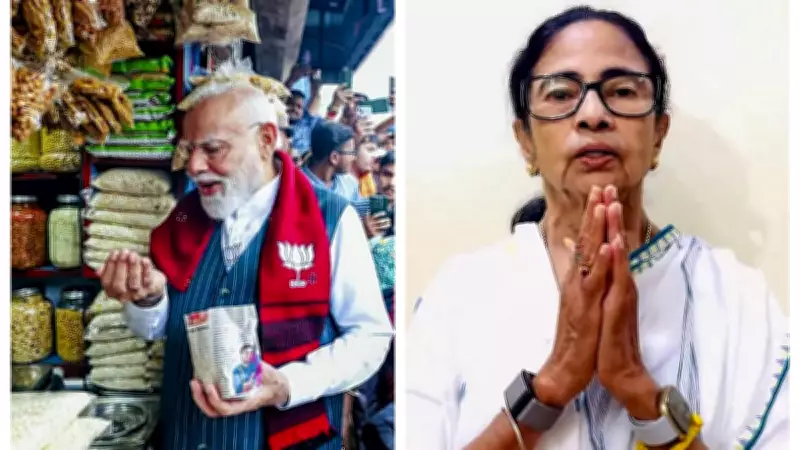
In a dramatic turn of events, the West Bengal Assembly Elections 2026 saw the 'jhal muri' symbol representing the Trinamool Congress (TMC) emerge victorious over the 'chop-muri' symbol of the Bharatiya Janata Party (BJP). The election results, announced on May 4, 2026, have reshaped the political landscape of the state.
BJP's Counter Strategy
The BJP mounted a strong counteroffensive, with top party leaders claiming that a fish-eating, Bengali-speaking local would be the next Chief Minister of West Bengal. This statement was aimed at appealing to regional identity and countering the TMC's narrative of being the true representative of Bengali culture.
Key Highlights
- The 'jhal muri' symbol, a popular Bengali snack, resonated with voters as a symbol of local identity and affordability.
- BJP's 'chop-muri' symbol, also a snack, failed to gain similar traction despite aggressive campaigning by national leaders.
- Prime Minister Narendra Modi and other BJP stalwarts held multiple rallies across the state, focusing on development and national security.
Analysis of the Results
Political analysts suggest that the TMC's victory can be attributed to its strong grassroots organization and welfare schemes. The BJP, despite its efforts, could not overcome the anti-incumbency sentiment in certain regions. The election also saw a high voter turnout, indicating the electorate's engagement with the issues at hand.

Reactions from Leaders
West Bengal Chief Minister Mamata Banerjee thanked the people for their support and reiterated her commitment to the state's development. On the other hand, BJP leaders acknowledged the defeat but vowed to continue their efforts to win the hearts of the people of Bengal.
Future Implications
The results of the 2026 assembly elections are expected to have significant implications for national politics. The TMC's victory strengthens its position as a key opposition party, while the BJP will need to reassess its strategy for future electoral battles in the state.