

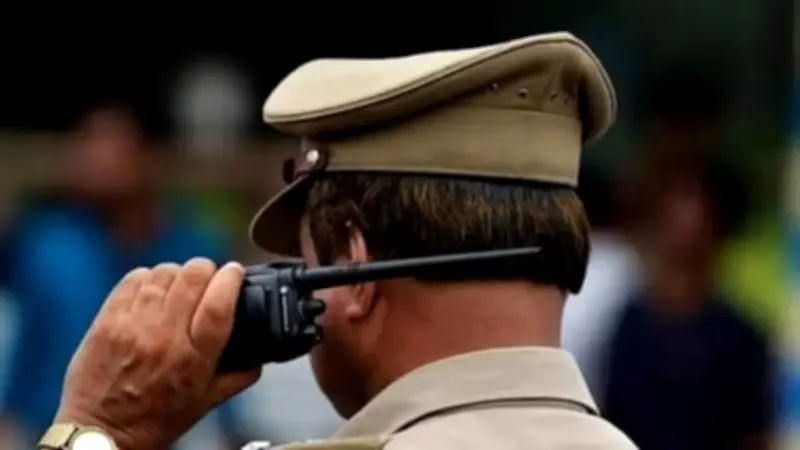
Police Deploy Water Cannons Against Punjab Teachers in Chandigarh Protest
In a dramatic escalation of tensions, Punjab police authorities utilized water cannons to disperse a large gathering of teachers who were staging a protest in Chandigarh. The demonstrators, organized under the banner of the Special Cadre Teachers Front, Punjab, had assembled to voice their demands for regularization and the full suite of appointment benefits associated with permanent positions.
Protesters Aim to Gherao Chief Minister's Residence
The protest action, which took place on February 8, 2026, saw teachers from across the state converging on the capital city. Their primary objective was to execute a planned 'gherao' or encirclement of the official residence of the Punjab Chief Minister. This tactic, often employed in Indian protests to draw immediate attention to grievances, was intended to pressure the state administration into addressing their long-standing issues regarding job security and benefits.
The teachers' demands center on the regularization of their appointments, which would grant them access to benefits such as pensions, healthcare, and other entitlements that are typically reserved for permanently employed government staff. Many of these educators have been working on contractual or temporary bases for extended periods, leading to financial instability and uncertainty about their professional futures.

Police Response and Escalation
As the protesters marched towards the Chief Minister's residence, law enforcement officials attempted to manage the crowd through standard protocols. However, as the situation intensified and the teachers pressed forward, police units made the decision to deploy water cannons. This method of crowd control, involving high-pressure water jets, is often used to break up demonstrations without causing severe physical harm, though it can lead to discomfort and temporary dispersal.
The use of water cannons highlights the growing friction between the protesting teachers and the state government, which has yet to fully address their concerns. The incident has sparked discussions about the right to peaceful assembly and the appropriate use of force by authorities in managing public demonstrations.
Background and Ongoing Struggles
The Special Cadre Teachers Front, Punjab, has been actively campaigning for the regularization of teachers' appointments for several months. Their efforts include previous protests, petitions, and negotiations with government representatives. The teachers argue that their contributions to the education sector are vital and that they deserve the same benefits and job security as their permanently appointed counterparts.
This protest is part of a broader pattern of labor unrest in Punjab, where various groups have mobilized to demand better working conditions and employment terms. The state's education sector, in particular, has faced challenges related to teacher shortages, contractual employment, and funding constraints.
Implications and Future Outlook
The deployment of water cannons in Chandigarh is likely to amplify calls for dialogue and resolution between the teachers and the Punjab government. Stakeholders, including education advocates and human rights organizations, may scrutinize the police's response and urge for a more conciliatory approach to addressing the teachers' demands.
As the situation develops, the focus will remain on whether the state administration will engage in substantive negotiations to regularize the appointments and provide the requested benefits. The protest underscores the ongoing struggles faced by contractual workers in India's public sectors and the need for systemic reforms to ensure fair treatment and job security.






