Punjab Congress Leader Condemns Haryana CM's Turban as Political Theatrics
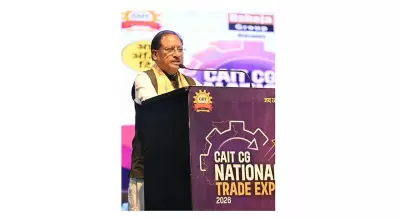
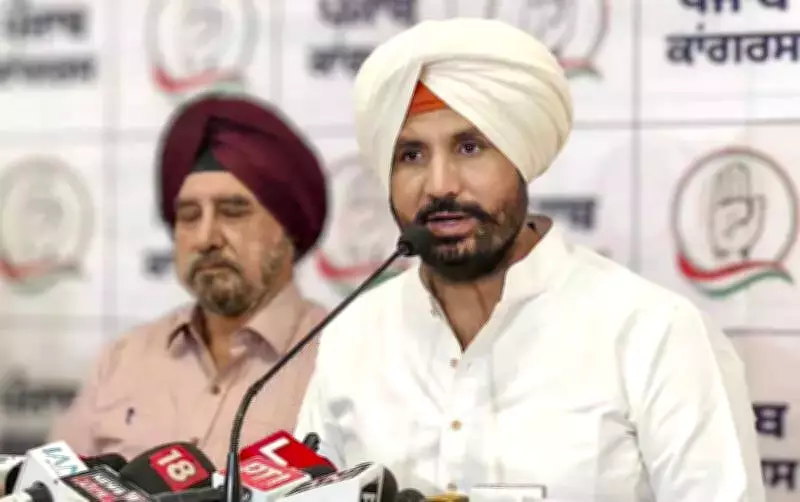
In a sharp critique, Punjab Congress president Amrinder Singh Raja Warring on Monday asserted that Punjabis have historically rejected communalism and are not swayed by superficial gestures. His comments came in response to Haryana Chief Minister Nayab Singh Saini recently wearing a turban in the state assembly and during media interactions.
Warring emphasized that he respects Saini's personal freedom to follow any faith and adopt religious attire, such as the turban. However, he highlighted the critical timing of this act, suggesting it is politically motivated.
BJP's Strategic Move for 2027 Elections
The Congress leader pointed out that Saini has been positioned by the Bharatiya Janata Party (BJP) as a key figure for Punjab in the lead-up to the 2027 assembly elections. Warring noted that Saini is frequently seen in Punjab wearing a turban, remarking, "Rather, he is seen more in Punjab than in Haryana." This, he argued, raises questions about Saini's intentions and alignment with Punjab's interests.
Warring urged Saini to address pressing issues affecting Punjab, particularly the contentious water-sharing dispute between Haryana and Punjab. "What shall be his stand on that?" he questioned, labeling it a clear case of conflict of interest if Saini seeks to influence Punjab politics while representing Haryana.
Rejection of Communal Symbolism
On the topic of religious symbolism, Warring stated that if Saini believes wearing a turban will appeal to specific segments of Punjab's population, he is badly mistaken. He reiterated that Punjabis have never voted based on communal lines and are unlikely to do so in the future.
Warring issued a stern warning to the BJP, accusing it of attempting to inject "communal venom" into Punjab's political landscape. He declared, "Punjabis can neither be lured by your communal politics nor the theatrics," adding that this reflects how disconnected the BJP and its leaders are from the ground realities in Punjab.
In summary, Warring's remarks underscore a firm stance against what he perceives as divisive political strategies, reaffirming Punjab's tradition of secular voting patterns.