Vadodara Municipal Corporation's Bottled Water Expenditure Sparks Controversy
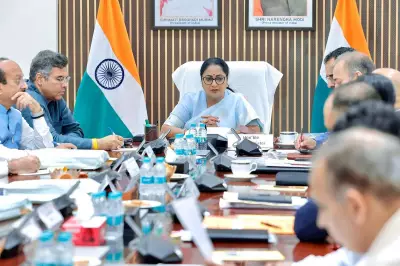
Significant questions have emerged regarding the financial management of the Vadodara Municipal Corporation (VMC) following revelations that the civic body allocated Rs 1.45 lakh specifically for bottled drinking water during meetings at its headquarters, Khanderao Market, over the course of a single year. This substantial expenditure has raised eyebrows among citizens and officials alike, prompting scrutiny of the corporation's spending priorities.
RTI Application Uncovers Detailed Spending Records
The detailed financial information came to light through a Right to Information (RTI) application submitted by former councillor Ashish Joshi, who was previously suspended from the Bharatiya Janata Party (BJP). Joshi specifically requested data concerning expenses managed by the VMC's public relations office (PRO) department, which oversees event coordination, program management, and meeting arrangements for the municipal corporation.
According to the official records obtained through the RTI, during the financial year 2024–25, the PRO department spent exactly Rs 1,45,000 on packaged drinking water units for meetings conducted in the VMC conference hall. This facility is regularly utilized by administrative staff and engineering officials for various municipal discussions and decision-making sessions.

Calculating the Bottled Water Consumption
A senior VMC official confirmed that this amount was expended on water bottles priced at Rs 5 per unit. Based on this pricing structure, simple arithmetic reveals that the municipal corporation purchased and consumed approximately 29,000 individual bottles of water throughout the fiscal year. This translates to an average daily consumption exceeding 100 bottles during meeting days.
This revelation has sparked particular concern because the Vadodara Municipal Corporation holds primary responsibility for supplying safe, potable water to the entire city through its public water infrastructure. The heavy reliance on commercially packaged water for official meetings appears contradictory to this fundamental civic duty.
Additional Expenditure on Crockery and Refreshments
The RTI documentation further disclosed that the VMC allocated an additional Rs 51,728 specifically for crockery used to serve tea, coffee, and light snacks during these same meetings. This brings the total supplementary spending for meeting refreshments to nearly Rs 2 lakh for the year.
In response to initial inquiries, a VMC representative offered clarification that while these expenses are officially recorded under conference hall meeting budgets, the supplies—including both bottled water and crockery—might have been distributed and utilized across various other municipal offices and venues beyond the primary conference facility.
Former Councillor's Investigation Uncovers Broader Financial Issues
Ashish Joshi explained that his investigation into VMC expenditures began after he identified discrepancies in billing related to a municipal event the previous year. "I discovered that the rental charge for a generator at that event exceeded the actual market cost of the equipment," Joshi stated. "Several other expenses appeared unusually inflated. When municipal authorities failed to provide satisfactory explanations, I decided to pursue more comprehensive financial details through formal channels."
Joshi alleged that the questionable spending extends far beyond bottled water and crockery. According to his analysis of VMC records, the corporation spent Rs 1.29 crore on photography services, including extensive drone photography of the Vishwamitri river as part of flood mitigation planning. "Portions of this photographic documentation occurred outside Vadodara city limits and technically fall under the jurisdiction of the irrigation department," Joshi emphasized. "Nevertheless, the VMC absorbed the entire cost."
Additionally, Joshi highlighted a tent house billing of Rs 41.54 lakh associated with the same river project, further indicating potential financial mismanagement or misallocation of municipal funds across departmental boundaries.

Implications for Municipal Governance and Accountability
These financial revelations have ignited a broader conversation about transparency, accountability, and prudent fiscal management within municipal corporations. The substantial expenditure on bottled water—particularly for an organization tasked with providing public water supply—symbolizes a disconnect between civic responsibilities and administrative practices.
As citizens and watchdog groups examine these findings, pressure is mounting on the Vadodara Municipal Corporation to implement more stringent financial controls, enhance transparency in procurement processes, and ensure that public funds are utilized efficiently for genuine civic development rather than discretionary meeting expenses.
The case underscores the vital role of RTI applications in uncovering potential financial irregularities and holding public institutions accountable for their spending decisions, ultimately strengthening democratic oversight of municipal governance.