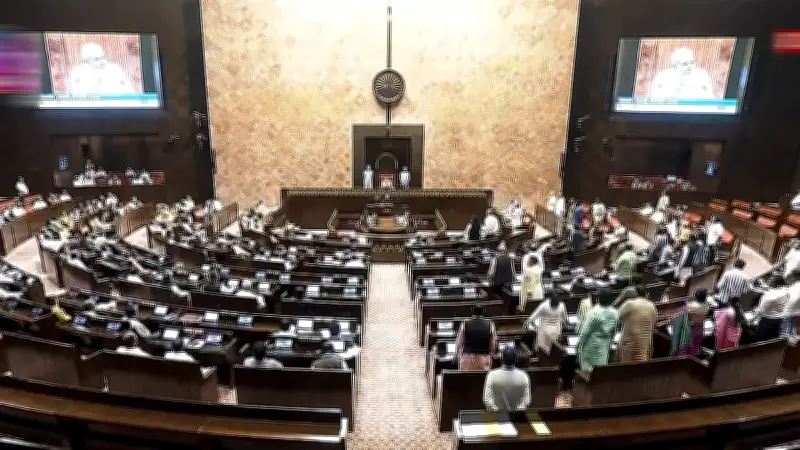
Parliament's Budget Session Concludes Amid Heated Debates on Key Bills
The budget session of Parliament has officially drawn to a close, marking a period of intense legislative activity and political discourse. This session, which saw both the Lok Sabha and Rajya Sabha in full swing, was characterized by robust debates on several critical bills that are poised to shape India's economic and social landscape.
Key Legislative Discussions and Political Clashes
At the heart of the session were discussions on the Finance Bill 2026, which outlines the government's fiscal policies and budgetary allocations for the upcoming year. Finance Minister Nirmala Sitharaman presented the bill, sparking debates over tax reforms, public spending, and economic growth strategies. Opposition parties, led by Congress leader Rahul Gandhi, raised concerns about the bill's impact on middle-class taxpayers and its alignment with broader economic goals.
Simultaneously, the Corporate Laws Amendment Bill was a focal point, aiming to modernize corporate governance and streamline regulatory processes. Proponents argued it would boost business efficiency and attract foreign investment, while critics, including members from the Congress and SP, questioned its provisions on shareholder rights and corporate accountability.

Another significant bill discussed was the Transgender Persons Protection of Rights Act 2019, with debates centering on its implementation and effectiveness in safeguarding transgender rights. Members of Parliament from various parties emphasized the need for stronger enforcement mechanisms and inclusive policies.
Political Leaders and Their Stances
The session featured prominent speeches from political heavyweights. Prime Minister Narendra Modi and Home Minister Amit Shah defended the government's legislative agenda, highlighting its focus on development and reform. In contrast, Rahul Gandhi and Congress President Mallikarjun Kharge led the opposition's charge, critiquing the bills for lacking transparency and social equity. The BJP countered these claims, asserting that the measures are designed to foster economic stability and progress.
These exchanges often turned heated, reflecting the deep political divides in Parliament. The SP and other opposition parties joined in, calling for more inclusive discussions and amendments to the proposed laws.
Implications and Future Outlook
The conclusion of this budget session sets the stage for the implementation of key policies. The Finance Bill 2026, once passed, will influence India's fiscal trajectory, while the Corporate Laws Amendment Bill could reshape business regulations. The ongoing dialogue on the Transgender Persons Protection of Rights Act 2019 underscores Parliament's role in addressing social issues.
As Parliament adjourns, the focus shifts to how these bills will be enacted and their real-world impact. The debates have highlighted the importance of bipartisan cooperation in shaping laws that benefit all citizens, setting a precedent for future sessions.