VHP Urges Karnataka Governor to Reject Controversial Hate Speech Bill
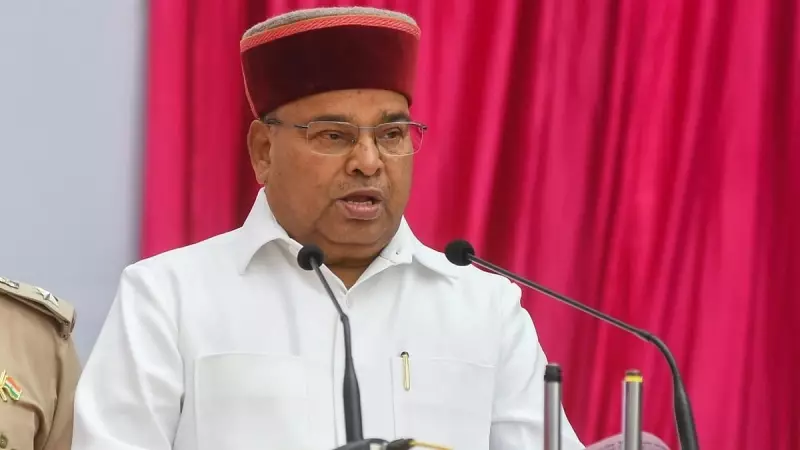
The Vishwa Hindu Parishad (VHP) has made a formal appeal to Karnataka Governor Thaawarchand Gehlot, urging him not to grant his assent to the contentious Prevention of Slaughter and Preservation of Cattle Bill. This legislative proposal, which has sparked significant debate across the state, is being criticized by the VHP for its potential to be misused as a tool for hate speech and communal discord.
Concerns Over Legislative Misuse
In a detailed representation submitted to the Governor, the VHP expressed deep concerns that the bill, if enacted, could be exploited to target specific communities under the guise of preventing cattle slaughter. The organization argues that the vague language and broad provisions within the bill might lead to its misuse, thereby fostering an environment of intolerance and division rather than promoting harmony.
The VHP emphasized that such legislation could inadvertently encourage hate speech, as individuals or groups might leverage it to make unfounded accusations against others, particularly in sensitive communal contexts. This, they warn, could undermine the social fabric of Karnataka, which has a diverse population with varying cultural and religious practices related to cattle.

Background of the Bill
The Prevention of Slaughter and Preservation of Cattle Bill was passed by the Karnataka Legislative Assembly earlier this year, aiming to impose stricter regulations on cattle slaughter and enhance penalties for violations. Proponents of the bill argue that it is necessary to protect cattle, which hold cultural and religious significance for many communities in India.
However, critics, including the VHP, contend that the bill's provisions are overly stringent and could be interpreted in ways that infringe upon personal freedoms and dietary choices. They point out that similar laws in other states have sometimes been misapplied, leading to legal disputes and social tensions.
VHP's Appeal to the Governor
In their appeal, the VHP highlighted the following key points:
- The bill's potential to be weaponized for hate speech and communal targeting.
- The need for clearer definitions and safeguards to prevent misuse.
- The importance of upholding constitutional values of secularism and equality.
- The risk of creating a climate of fear and suspicion among minority communities.
The organization urged Governor Gehlot to consider these aspects carefully before making a decision, suggesting that the bill might require amendments to address these concerns or be sent back to the legislature for further review.
Political and Social Implications
This appeal comes at a time when Karnataka is navigating complex political dynamics, with various groups voicing opinions on issues related to religion, culture, and law. The VHP's stance reflects broader debates in India about balancing traditional values with modern legal frameworks.
If the Governor approves the bill, it could set a precedent for similar legislation in other states, potentially escalating tensions. Conversely, rejecting or modifying the bill might be seen as a move towards more inclusive governance, but it could also draw criticism from those advocating for stricter cattle protection laws.
The outcome of this appeal will be closely watched by political analysts, social activists, and the general public, as it could influence future policy decisions and inter-community relations in Karnataka and beyond.