Kannada Leader Vatal Nagaraj Arrested and Released on Bail Following Language Dispute
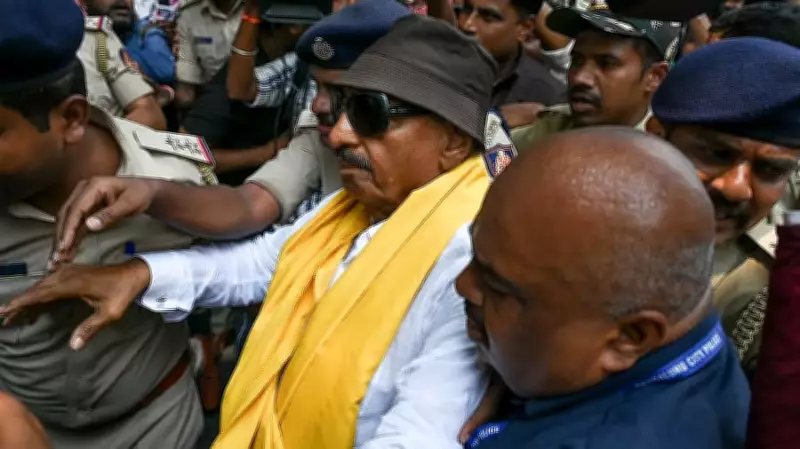
In a notable incident that has sparked discussions on linguistic rights, Vatal Nagaraj, the prominent leader of the Kannada Chalavali Vatal Paksha, was arrested and subsequently released on bail. The arrest occurred after Nagaraj strongly objected to a warrant issued in English, refusing to cooperate with police until the notice was served in Kannada, his native language.
Details of the Arrest and Language Protest
The event unfolded when law enforcement officials approached Nagaraj with a warrant written in English. Demonstrating his commitment to linguistic pride and regional identity, Nagaraj initially declined to accompany the police, insisting that the legal document be provided in Kannada. This stance reflects his long-standing advocacy for the promotion and protection of the Kannada language within Karnataka.
After a brief standoff, authorities proceeded with the arrest, but Nagaraj was later granted bail, allowing him to be released from custody. The incident has drawn attention to broader issues of language rights and legal procedures in the state, where such disputes occasionally arise between local activists and governmental bodies.

Broader Implications and Reactions
This arrest and subsequent release highlight the ongoing tensions surrounding language use in official matters in Karnataka. Nagaraj's protest underscores the importance many residents place on having legal documents and communications available in their mother tongue, a sentiment that resonates with various linguistic movements across India.
As reported by DHNS, the incident was documented on April 8, 2026, at 21:00 IST, bringing it into the public eye through news channels and social media. While specific details about the warrant's nature or the charges involved were not disclosed in the initial report, the focus remains on the language aspect that triggered the confrontation.
In summary, Vatal Nagaraj's arrest and bail release serve as a reminder of the persistent advocacy for linguistic rights in Karnataka, with this event likely to fuel further debates on how legal systems accommodate regional languages in a diverse nation like India.