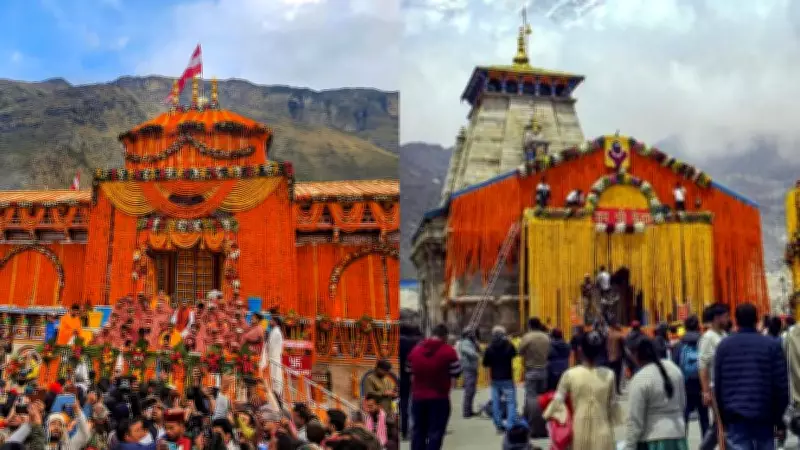
Uttarakhand Implements Entry Restrictions for Non-Hindus at Badrinath and Kedarnath Temples
The Uttarakhand government has officially declared that non-Hindus will be barred from entering the revered Badrinath and Kedarnath temples, effective from this year. This decision, aimed at preserving the religious sanctity of these ancient shrines, marks a significant shift in access policies at two of India's most prominent Hindu pilgrimage sites.
Details of the New Policy
According to state authorities, the restriction applies to all individuals who do not identify as Hindus, including tourists and pilgrims from other faiths. The move is part of broader efforts to enhance security and maintain the spiritual atmosphere at these temples, which attract millions of devotees annually. Officials have emphasized that the policy is based on long-standing traditions and local sentiments, with enforcement mechanisms to be implemented through temple committees and local administration.
Reasons Behind the Decision
The government cites multiple factors for this decision, including concerns over religious harmony and the need to prevent potential disruptions during rituals. Historical precedents and cultural practices in the region have also influenced the policy, as these temples hold deep significance in Hindu mythology and are considered highly sacred. Additionally, security considerations, such as managing large crowds and ensuring the safety of devotees, played a role in shaping the new entry rules.
Impact on Tourism and Pilgrimage
This restriction is expected to have notable implications for tourism in Uttarakhand, as Badrinath and Kedarnath are key attractions in the state's religious tourism circuit. While it may affect visitor numbers from diverse backgrounds, officials argue that it will strengthen the devotional experience for Hindu pilgrims. The state government plans to promote alternative sites and activities for non-Hindu tourists to mitigate any negative economic effects.
Public and Political Reactions
Reactions to the policy have been mixed, with some religious groups welcoming it as a step toward protecting Hindu traditions, while others criticize it as exclusionary. Political leaders in Uttarakhand have largely supported the move, aligning it with state-level governance priorities. However, debates continue over its potential impact on India's secular fabric and interfaith relations.
Enforcement and Future Outlook
Temple authorities are set to implement the ban through identity checks and awareness campaigns, with strict adherence to guidelines. The Uttarakhand government has assured that the policy will be reviewed periodically to address any concerns. This development highlights ongoing tensions between religious preservation and inclusive access in India's cultural landscape, setting a precedent for similar sites nationwide.