Uttar Pradesh Government Announces Interim Wage Hike Following Noida Worker Protests
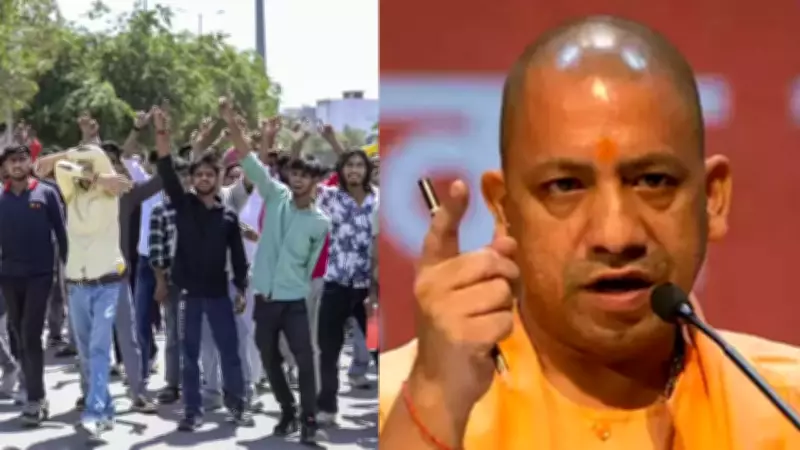
In response to violent worker demonstrations in Noida, the Uttar Pradesh government has officially notified an interim increase in daily wages of up to 21%. This crucial decision was announced on Tuesday, following recommendations from a high-power committee established by Chief Minister Yogi Adityanath specifically to address the Noida incident.
Committee Recommendations and Implementation Timeline
The committee, led by Industries and Infrastructure Development Commissioner Deepak Kumar, conducted a multi-stakeholder meeting late Monday night. The interim wage increase will become effective from April 1, 2026, with a final, permanent hike to be determined by a wage board next month.
"This interim adjustment addresses immediate concerns while we work toward a comprehensive solution," Kumar explained. "The upcoming wage board will carefully balance worker demands with industrial challenges to establish a permanent resolution that maintains Uttar Pradesh's investment-friendly environment."

Regional Variations in Wage Increases
Principal Secretary of Labour MKS Sundaram detailed how the wage increases vary significantly across different regions and skill levels:
- Gautam Budh Nagar and Ghaziabad: Approximately 21% increase
- Unskilled workers: ₹11,313 to ₹13,690
- Semi-skilled workers: ₹12,445 to ₹15,059
- Skilled workers: ₹13,940 to ₹16,868
- Other municipal corporation areas: Approximately 15% increase
- Unskilled workers: ₹13,006
- Semi-skilled workers: ₹14,306
- Skilled workers: ₹16,025
- Remaining districts: Approximately 9.2% increase
- Unskilled workers: ₹12,356
- Semi-skilled workers: ₹13,591
- Skilled workers: ₹15,224
Sundaram emphasized that "the revised wages incorporate both basic pay and dearness allowance, accounting for inflation and regional economic variations across Uttar Pradesh." The government order formalizing these changes will be issued by Wednesday at the latest, following Tuesday's holiday for Ambedkar Jayanti.
Government Response to Misinformation and Security Measures
An official spokesperson addressed circulating misinformation about minimum wage levels, stating: "Claims of a ₹20,000 minimum wage circulating on social media are completely baseless. The process of establishing a national floor wage under new labour codes by the central government remains ongoing."
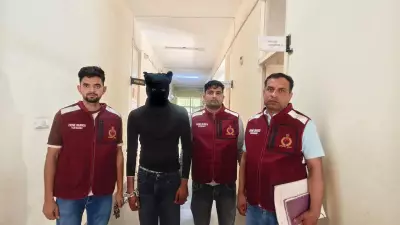
Simultaneously, the administration has launched initiatives to identify and address disruptive elements. "Strict legal action, including arrests and criminal cases, will be pursued against those found guilty of disturbing peace and development," an official warned.
Stakeholder Consultations and Future Plans
The government committee engaged in extensive consultations with employers, workers, and other stakeholders. While worker representatives maintained their protests were peaceful and raised legitimate concerns about wage increases, weekly holidays, double overtime pay, and improved working conditions, employers acknowledged these demands while highlighting global economic pressures.
Looking ahead, the wage board to be constituted next month will begin the process of establishing permanent minimum wages. Additionally, the government is considering comprehensive welfare measures encompassing health benefits, pension schemes, and educational support for workers' children.
Grievance Redressal Mechanism
To address worker concerns promptly, a district-level control room has been established in Gautam Budh Nagar. Workers can register complaints through dedicated helpline numbers: 120-2978231, 120-2978232, 120-2978862, and 120-2978702.
The high-level meeting included key officials such as Additional Chief Secretary of Industries Alok Kumar, Labour Commissioner Markandey Shahi, Yamuna Authority CEO Rakesh Kumar Singh, and Noida District Magistrate Medha Rupam, demonstrating the government's coordinated approach to resolving labor issues while maintaining industrial harmony.