Two Killed in Meghalaya Clashes Over Tribal Council Election Rules
Guwahati/Shillong: Two individuals lost their lives in violent communal clashes between Garo tribal communities and non-tribal residents in Meghalaya's West Garo Hills district late Monday evening. The unrest erupted amidst escalating tensions surrounding the upcoming Garo Hills Autonomous District Council (GHADC) elections scheduled for April 10.
Election Rule Change Sparks Protests and Violence
The law-and-order situation deteriorated rapidly following a controversial notification issued by the NPP-led Garo Hills Autonomous District Council. Unlike previous elections, the new mandate requires all candidates to produce valid Scheduled Tribe (ST) certificates when filing nomination papers, effectively barring non-tribal individuals from participating in the electoral process.
"The unrest is understood to have arisen from protests by certain organizations opposing the candidature of non-tribal individuals in the GHADC elections," stated the West Garo Hills district administration in an official release issued late Tuesday evening.
Assault on Former Legislator Triggers Escalation
Tensions reached a boiling point when former Phulbari legislator S G Esmatur Mominin, a Bengali-speaking Muslim politician, was allegedly assaulted while attempting to submit his nomination papers at the deputy commissioner's office in Tura on Monday. Mominin, accompanied by fellow aspirant Enamul Haque, faced aggressive resistance from groups vehemently opposing non-tribal participation in the district council polls.
Police and security personnel intervened promptly, securing the former legislator, providing immediate medical attention, and escorting him to safety. However, the incident served as a catalyst for widespread clashes that quickly spiraled out of control.
Night of Violence and Military Deployment
"Following the incident, a tense standoff continued throughout the night between groups from the hill areas and the plains belt in Chibinang area," the district administration's statement revealed. During this period of unrest, two individuals were found dead under circumstances that remain under investigation.
The authorities confirmed that the identities of the deceased have yet to be established, and "the exact cause of death remains unknown at this stage" pending comprehensive post-mortem examinations.
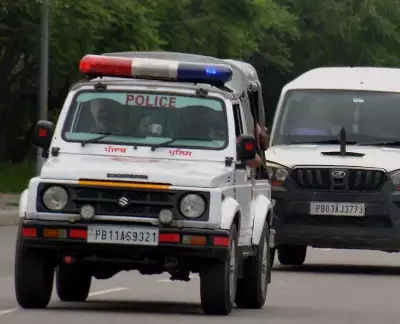
In response to the deteriorating situation, the district administration extended an existing curfew, suspended mobile internet services across the affected areas, and requested military assistance. Two columns of the Indian Army were deployed on Tuesday morning, conducting strategic flag marches in Chibinang—identified as the epicenter of Monday night's violence.
Defence PRO Lt Col M Rawat confirmed that "Army columns were deployed on the request of civil administration, and they have conducted flag marches" to restore order and deter further violence.
Widespread Damage and Arson Incidents
The clashes were marked by significant property damage and arson attacks reported from multiple locations, including the district headquarters in Tura. Vehicles were set ablaze, and stones were pelted indiscriminately, creating an atmosphere of fear and instability.
"In Tura, reports were received of vandalism in a few locations and incidents of arson at several places. Fire and emergency services responded swiftly and brought the fires under control. No fatalities have been reported from the Tura area," the official statement clarified, highlighting the coordinated emergency response.
Political Leadership and Peace Initiatives
Chief Minister Conrad Sangma personally visited the volatile Phulbari area on Tuesday, engaging directly with various community leaders and issuing a strong appeal for the maintenance of peace and communal harmony. The chief minister instructed the district deputy commissioner to immediately convene peace committee meetings involving all stakeholders.
The district administration subsequently organized a comprehensive peace meeting with religious leaders, senior citizens, and representatives of civil society organizations, including the influential Mothers' Union. These efforts aim to bridge community divides and prevent further escalation of violence.
District SP Abraham T. Sangma provided reassurance regarding the security situation, stating, "The law-and-order situation at Chibanang area is under control with the army staging a flag march. We have also deployed CRPF troopers to assist the state machinery to quell the situation."
Election Timeline and Constitutional Context
The nomination process for the GHADC elections will continue until March 16, with scrutiny of nomination papers scheduled for March 17. The electoral controversy has cast a shadow over what should be a democratic exercise, raising questions about inclusion and representation in tribal autonomous regions.
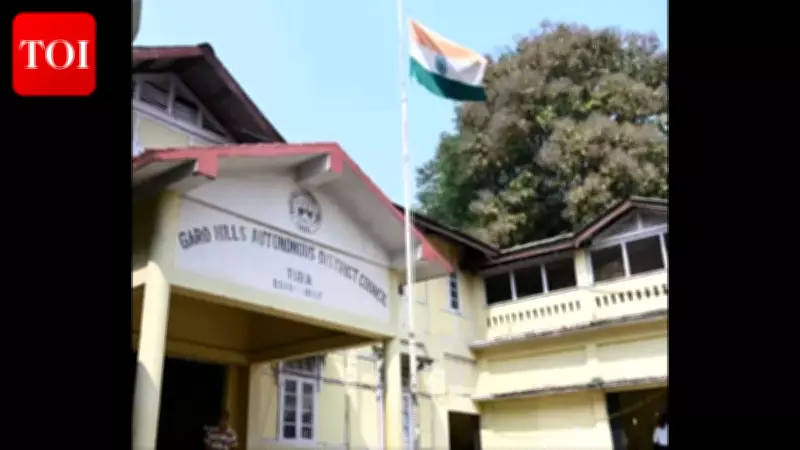
The Garo Hills Autonomous District Council operates under the Sixth Schedule of the Indian Constitution, granting it significant administrative and legislative autonomy. Seated in Tura, the council governs five districts: East Garo Hills, West Garo Hills, South Garo Hills, North Garo Hills, and Southwest Garo Hills. It represents one of three such autonomous district councils within the state of Meghalaya, each designed to protect tribal interests and promote local self-governance.
As the region grapples with this tragic outbreak of violence, authorities remain focused on restoring normalcy while addressing the underlying tensions that have surfaced around tribal identity and political participation in this strategically important northeastern state.