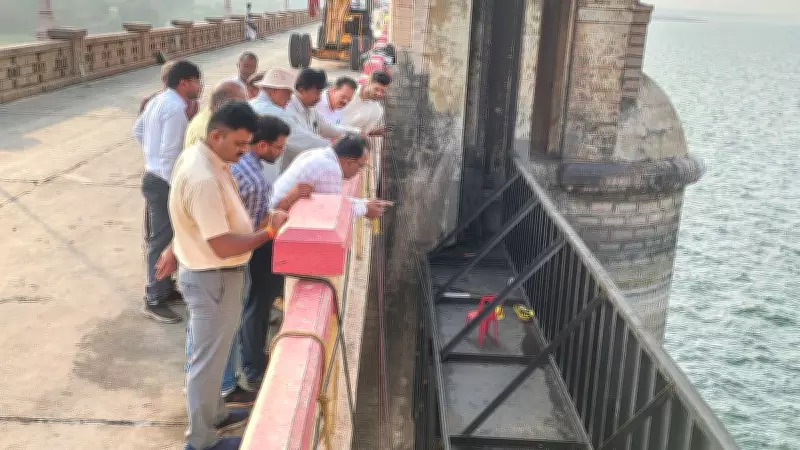
Tungabhadra Dam Gates Have 70-Year Lifespan with Proper Annual Maintenance
A recent assessment by a structural engineering expert has revealed that the radial crest gates of the Tungabhadra Dam, a critical water infrastructure project in Karnataka, possess the potential to remain operational for an impressive 70 years. This longevity, however, is contingent upon the implementation of rigorous and consistent annual maintenance protocols. The findings underscore the importance of proactive care in preserving vital public assets and ensuring the dam's continued role in irrigation, hydroelectric power generation, and regional water security.
Expert Analysis Highlights Maintenance as Key to Longevity
The expert's evaluation focused on the structural integrity and material durability of the dam's gates. It was determined that with systematic yearly inspections, lubrication, corrosion control, and minor repairs, the gates can avoid significant degradation and extend their service life well beyond typical expectations. This approach not only safeguards the infrastructure but also proves to be cost-effective in the long term by preventing expensive emergency repairs or premature replacements.
Importance of the Tungabhadra Dam for Karnataka
The Tungabhadra Dam, constructed across the Tungabhadra River, is a cornerstone of Karnataka's agricultural and economic landscape. It serves multiple essential functions:

- Irrigation: Providing water for vast tracts of farmland in the drought-prone regions of Karnataka and Andhra Pradesh.
- Hydroelectric Power: Generating electricity to support the state's energy grid.
- Flood Control: Regulating water flow to mitigate flood risks during monsoon seasons.
- Water Supply: Supporting domestic and industrial water needs in surrounding areas.
Ensuring the dam's operational reliability through dedicated maintenance is, therefore, paramount for the region's stability and growth.
Recommendations for Sustainable Infrastructure Management
The expert's report advocates for a structured maintenance framework to achieve the projected 70-year lifespan. Key recommendations include:
- Annual Technical Audits: Conducting comprehensive inspections by qualified engineers to assess gate mechanics and structural health.
- Preventive Maintenance Schedules: Implementing regular cleaning, painting, and part replacements to combat wear and environmental exposure.
- Training for Personnel: Equipping maintenance staff with updated skills and knowledge for handling advanced dam gate systems.
- Budgetary Allocation: Ensuring consistent funding is earmarked specifically for annual upkeep to avoid lapses in maintenance activities.
Adhering to these practices can transform the Tungabhadra Dam into a model of sustainable infrastructure management, setting a benchmark for other aging dams across India.
Broader Implications for India's Water Infrastructure
This case study of the Tungabhadra Dam highlights a critical national issue: the maintenance of India's extensive network of dams and reservoirs. Many such structures are decades old and require similar expert evaluations and planned care. Proactive maintenance strategies, as demonstrated here, can significantly enhance safety, extend functional lifespans, and optimize public investment. It calls for a shift from reactive repair policies to a culture of preventive and predictive maintenance in water resource management.
In conclusion, the expert assurance that the Tungabhadra Dam gates can last 70 years with yearly maintenance offers a clear roadmap for preserving this vital asset. It emphasizes that the longevity of public infrastructure is not merely a matter of construction quality but is fundamentally dependent on ongoing, committed stewardship. For Karnataka and the nation, this insight reinforces the need to prioritize and institutionalize regular maintenance as a non-negotiable aspect of infrastructure governance.