Tripura TTAADC Election 2021: A Detailed Overview of Results and Outcomes
The Tripura Tribal Areas Autonomous District Council (TTAADC) election held in 2021 was a significant political event in the northeastern state of Tripura, India. This autonomous council governs the tribal-majority areas of the state, playing a crucial role in local administration and development. The election results have had lasting implications for the region's political landscape and governance.
Election Results and Winning Party
In the 2021 TTAADC election, the Tripura Tribal Areas Autonomous District Council saw a decisive victory by the Tipra Motha Party (TMP). The party, led by Pradyot Bikram Manikya Debbarma, emerged as the dominant force, securing a majority of the seats. This outcome marked a significant shift in tribal politics in Tripura, challenging the existing political dynamics.
Key Details and Vote Share Analysis
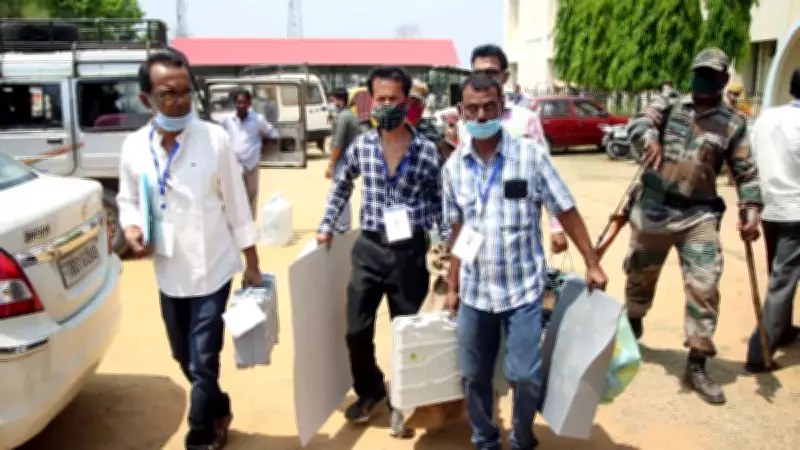
The election was conducted for 28 seats in the TTAADC. According to the results, the Tipra Motha Party won a substantial number of seats, demonstrating strong support among the tribal communities. The Bharatiya Janata Party (BJP), which had been in power at the state level, faced a setback, while the Communist Party of India (Marxist) and other regional parties also participated but secured fewer seats.

Vote share data indicated that the TMP garnered a significant percentage of the votes, reflecting its appeal on issues such as tribal rights, autonomy, and development. The election witnessed a high voter turnout, underscoring the importance of the council in addressing local concerns.
Political Implications and Context
The victory of the Tipra Motha Party in the 2021 TTAADC election is seen as a response to longstanding demands for greater autonomy and recognition of tribal identity in Tripura. It has influenced state politics, with the party leveraging its success to advocate for broader political changes, including the creation of a Greater Tipraland state.
This election result has also impacted the strategies of national parties like the BJP and CPI(M), prompting them to reassess their approach to tribal issues in the region. The council's role in implementing development projects and preserving cultural heritage has gained renewed attention post-election.
Historical Background and Significance
The TTAADC was established under the Sixth Schedule of the Indian Constitution to administer tribal areas in Tripura, ensuring self-governance and protection of tribal interests. Elections to the council are held every five years, with the 2021 poll being particularly notable due to the rise of the Tipra Motha Party as a major political player.
Previous elections had seen dominance by parties like the CPI(M), but the 2021 results signaled a change, highlighting evolving voter priorities and the growing influence of regional tribal movements.
Conclusion and Future Outlook
The 2021 Tripura TTAADC election results have reshaped the political narrative in the state, emphasizing the importance of tribal representation and autonomy. As the Tipra Motha Party assumes control, its performance in addressing developmental challenges and advocating for tribal rights will be closely watched. This election serves as a key reference point for understanding tribal politics in India's northeastern region.