West Bengal Assembly Elections 2026: TMC's Strategic Push with Women Candidates
As the West Bengal Assembly Elections of 2026 draw nearer, the political landscape is heating up with intense strategies and counter-moves. The Trinamool Congress (TMC) has consistently emphasized increasing women's representation, positioning this as a powerful tool to challenge the Opposition. Critics argue that the Opposition engages in mere 'tokenism' when it comes to women's issues, but the TMC claims its approach is substantive and transformative.
The Battleground: SIR Deletions and Political Maneuvering
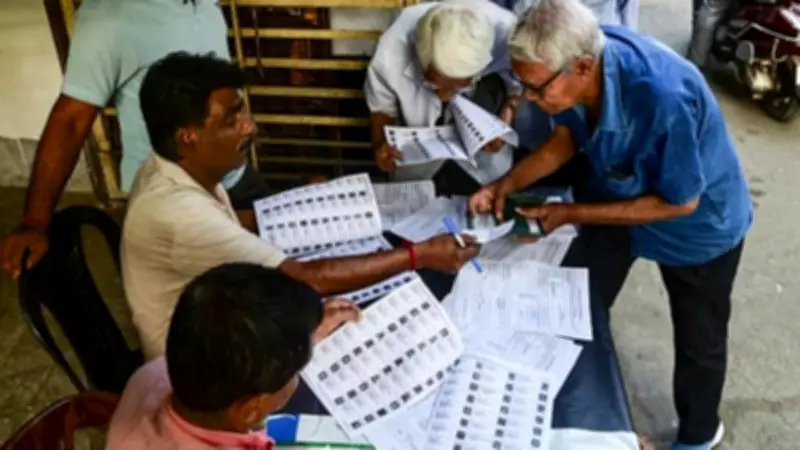
One of the key challenges in this election cycle is the issue of SIR deletions, which refers to the removal of names from the electoral rolls under the Systematic Inclusion of Residents (SIR) process. This has become a contentious point, with allegations of voter suppression and administrative lapses. The TMC's deployment of women candidates is seen as a tactical response to blunt the impact of these deletions, aiming to mobilize female voters who might be disproportionately affected.
Rakhee Roytalukdar, in her analysis dated April 13, 2026, highlights how the TMC's focus on women is not just a political gambit but a calculated move to strengthen its grassroots connect. By fielding more women, the party hopes to address local issues more effectively and counter the Opposition's narrative of neglect.

Women's Representation: A Potent Weapon or Political Ploy?
The TMC's strategy revolves around portraying itself as a champion of women's rights, in contrast to what it labels as the Opposition's superficial efforts. This has sparked debates on whether such representation translates into real policy changes or remains symbolic. Supporters argue that increased women candidates lead to more inclusive governance, while skeptics question the motives behind this push.
Key aspects of this electoral dynamic include:
- The historical context of women's participation in Bengal politics.
- How SIR deletions might influence voter turnout and party strategies.
- The role of women candidates in addressing community-specific concerns.
- Comparative analysis with previous election cycles in West Bengal.
Opposition Response and the Road Ahead
The Opposition has countered by accusing the TMC of using women as pawns in a larger political game, rather than genuinely empowering them. This back-and-forth has intensified the electoral discourse, making women's issues a central theme in the run-up to the 2026 polls. As campaigns unfold, voters will be watching closely to see if the TMC's women candidates can indeed mitigate the effects of SIR deletions and sway public opinion.
In conclusion, the West Bengal Assembly Elections 2026 are shaping up to be a critical test of political strategies, with the TMC's emphasis on women candidates at the forefront. Whether this approach will succeed in countering the challenges posed by SIR deletions and Opposition critiques remains to be seen, but it undoubtedly adds a significant layer to the battleground of Bengal politics.