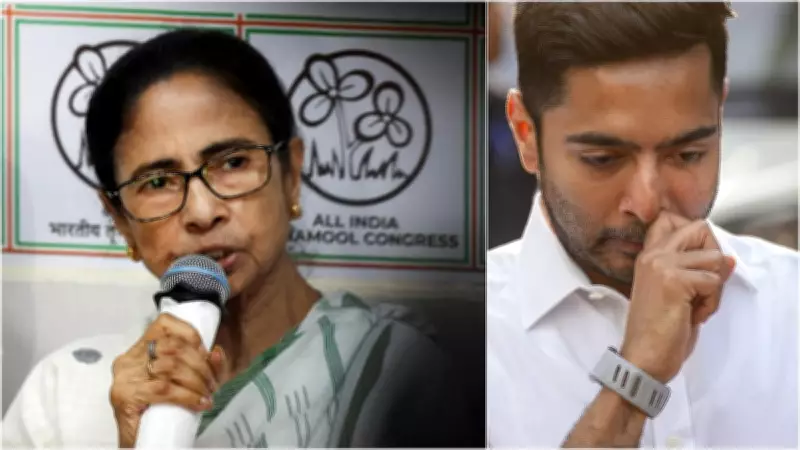
A group of rebel Trinamool Congress (TMC) MLAs in West Bengal has publicly declared their unwavering support for Chief Minister Mamata Banerjee while categorically rejecting the authority of her nephew and party general secretary, Abhishek Banerjee. This development marks a significant escalation in the internal power struggle within the ruling party, which has been simmering for months.
Background of the Rebellion
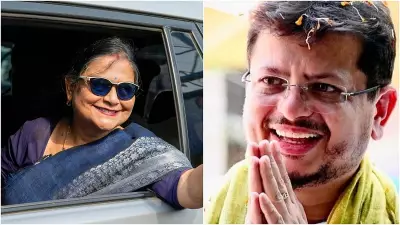
The move to stage the coup gained momentum after two prominent MLAs, Ritabrata Banerjee and Sandipan Biswas, were expelled from the TMC on Monday. Their expulsion followed accusations of anti-party activities and public dissent against the party leadership. The rebel faction, comprising several MLAs from various districts, has since coalesced around a demand for a more inclusive decision-making process within the party.
Key Demands of the Rebel MLAs
In a joint statement issued after a closed-door meeting, the rebel lawmakers asserted that Mamata Banerjee remains their undisputed leader and the face of the party in the state. However, they expressed strong reservations about the growing influence of Abhishek Banerjee, who has been steadily taking on a more prominent role in party affairs. The MLAs argued that Abhishek's leadership style has alienated grassroots workers and undermined the party's democratic ethos.

- Support for Mamata Banerjee: The rebels reiterated their complete faith in the chief minister's leadership and her vision for West Bengal's development.
- Rejection of Abhishek Banerjee: They stated that they would not accept any directive or authority from Abhishek Banerjee, whom they accuse of sidelining senior leaders and concentrating power.
- Call for Internal Democracy: The faction demanded the restoration of internal party elections and a transparent mechanism for decision-making at all levels.
Political Implications
The rebellion poses a serious challenge to the TMC's unity ahead of the upcoming municipal elections and the 2026 state assembly polls. Political analysts believe that if the rift widens, it could benefit the opposition Bharatiya Janata Party (BJP) and the Left-Congress alliance, which have been trying to regain lost ground in the state.
Party Leadership's Response
So far, the TMC high command has maintained a cautious stance. While Mamata Banerjee has not directly commented on the rebellion, party insiders suggest that she is attempting to mediate between the factions. Abhishek Banerjee, on the other hand, has dismissed the rebel MLAs as a handful of disgruntled elements with no mass support. In a brief statement, he said, "The party is united under the leadership of Mamata Banerjee, and any attempts to create divisions will be dealt with firmly."
Historical Context
This is not the first time the TMC has witnessed internal strife. In 2021, a similar rebellion by a group of MLAs over ticket distribution during the assembly elections was quickly quelled. However, the current situation is more volatile given the proximity to the next general elections and the growing perception of a leadership tussle between the Banerjees.
The rebel MLAs have given the party leadership a two-week ultimatum to address their grievances, failing which they threaten to take their campaign public. Meanwhile, the opposition has seized upon the opportunity, with BJP state president Sukanta Majumdar calling it a "death knell for the TMC."
As the drama unfolds, all eyes are on Mamata Banerjee's next move. Will she rein in her nephew to placate the rebels, or will she back Abhishek to consolidate her family's control over the party? The answer could shape the political landscape of West Bengal for years to come.